 Posted On: 02/05/2026
Frost Lines and Freight Lines Unmasking Kansas Winter Truck Trends
Why snowy highway semi crashes spike when prairie temperatures plummet
Snow acts like fine sand on polished steel when tires lose heat, reducing friction exponentially across long stretches of asphalt. The moment prairie temperatures plummet, tire compounds stiffen and braking distances double, inviting rear-end truck collisions in snow. Meteorologists call it radiational cooling; litigators call it predictable negligence when carriers ignore warnings. Victims often learn that event data recorders registered speed, yet dispatch kept pushing delivery schedules. That evidence becomes vital when our snowy highway crash attorneys in Kansas reconstruct causation and demand fair compensation.
Carrier safety directors know the statistics on us traffic collisions, yet some fail to recalibrate risk models for winter variables. When deposition transcripts surface, plaintiffs discover profit incentives eclipsed weather protocols, fueling snowy highway semi crashes across the plains. Expert witnesses compare driver logs with National Weather Service archives to highlight foreseeability. With physical injuries mounting, claimants must navigate complex insurance claims while recovering from severe whiplash or spinal cord injuries. Personal Injury Law Locator equips families with data-rich resources that translate meteorological facts into compelling legal narratives.
Kansas turnpike pileup patterns that every injured person should know
The Kansas Turnpike slices through open terrain where crosswinds amplify freezing rain trucking hazards. Visibility may appear moderate, yet microclimates create surprise slick patches that trigger multi-vehicle pileups. When a tractor-trailer jackknifes, following vehicles face impossible stopping distances on black ice. Crash geometry often funnels smaller automobiles beneath underride guards, magnifying catastrophic personal injuries and property damage. Understanding these Kansas turnpike pileup patterns empowers an injured party to frame a personal injury claim grounded in foreseeable risk.
Litigation teams must move fast because commercial carriers deploy rapid response units that sanitize scenes before experts arrive. Skid marks fade when winds sweep snow across asphalt, erasing yaw vital evidence for accident reconstruction. Therefore prompt evidence preservation after truck wrecks becomes the cornerstone of any potential civil lawsuit. Plaintiffs partnering early with Personal Injury Law Locator access investigators who document scene conditions before temperature swings erase surface clues. Their prompt work often shifts settlement dynamics, forcing insurance companies to acknowledge liability.
How wind-blown snow visibility issues complicate emergency braking on icy roads
Kansas farmland offers few natural windbreaks, allowing gusts to sweep loose powder across highways and obscure lane markings instantly. Drivers perceive clear pavement one moment, then experience white-out conditions the next, undermining emergency braking on icy roads. The aerodynamic surfaces of tractor-trailers create additional vortexes that recirculate snow, further reducing sight distance for surrounding motorists. This partial blindness leads to delayed reaction times and chain-reaction Kansas winter truck accidents. Recognizing wind-blown snow visibility issues helps jurors understand why even experienced commercial operators may misjudge stopping margins.
Emergency manuals recommend increasing following distance, yet many fleets schedule deliveries assuming normal travel speeds. That mismatch produces legal arguments about unreasonable dispatch pressure when the weather deteriorates. Accident reconstructionists measure deceleration curves to prove that emergency braking became futile once visibility dropped below safe-stopping sight distance. Such proof strengthens black ice collision claims by illustrating the combined effect of hidden surface hazards and optical confusion. Personal Injury Law Locator translates these technical findings into persuasive storytelling that resonates with both courts and insurance adjusters.
Plaintiffs must also anticipate defense arguments blaming sudden gusts as unforeseeable acts of nature. Experienced counsel counters by demonstrating historic wind data, highway design shortcomings, and prior crash reports, proving foreseeability. When insurance company trucking disputes stall, strategic settlement timing aligned with meteorological evidence can accelerate recovery. Victims battling emotional distress need closure before memories fade like drifting snow. Legal teams that integrate atmospheric science and human factors secure compensation while advancing public safety discourse.
Hidden Hazards Beneath the Snowpack
Black ice collision claims and the science of surface flash-freezing
Kansas winter truck accidents often begin with a transparent enemy: black ice. Moisture seeps into microscopic pavement pores; sudden temperature drops lock that water into a nearly invisible glaze. Drivers assume pavement only looks dark, yet tire treads glide as if on oiled glass, turning normal braking into a gamble. Because surface flash-freezing can occur within minutes, trucking companies must monitor roadside sensors and adjust dispatch instructions immediately. When carriers ignore those alerts, a personal injury lawyer can argue that profit motives outweighed reasonable safety duties.
After a crash, plaintiffs must translate chemistry into courtroom clarity. Expert witnesses explain how latent heat release turns wet asphalt into a solid risk, bolstering black ice collision claims. Event data recorders often show unchanged cruise-control settings even as traction vanishes, underscoring foreseeability. Attorneys then leverage logbook violations and prior citations to demonstrate systemic negligence. These scientific foundations help injured parties recover damages for medical bills, property damage, and emotional distress after an unexpected slide.
Freezing rain trucking hazards that trigger tractor-trailer jackknife events
Freezing rain coats every exposed surface with a thin, brittle shell, and articulated rigs feel the effect first. A tractor’s drive axles may hold traction, but a lightly loaded trailer skates sideways, pivoting on its kingpin. That sudden angular momentum produces classic tractor-trailer jackknife events, blocking multiple lanes and spawning Kansas turnpike pileup lawsuits. Meteorologists can predict super-cooled drizzle hours in advance, so fleets that fail to suspend operations invite allegations of gross negligence. Jurors often visualize the hazard when attorneys display time-lapse radar clips during opening statements.
Preventive technology exists, yet many carriers delay upgrades until after a catastrophic loss. Electronic stability control, automatic tire chains, and adaptive cruise systems reduce freezing rain trucking hazards but cost money upfront. In litigation, comparisons between equipped and unequipped fleets create powerful benchmarks for reasonable care. Injured persons also benefit from weather-responsive trucking industry standards, which clarify breach elements in a personal injury claim. When policy limits loom, strategic settlement strategies for icy road truck claims become essential.
Commercial driver fatigue in winter when DOT hours-of-service rules meet subzero delays
Subzero temperatures slow everything: fuel gels, hydraulic lines stiffen, and roadside rescues take longer to reach stranded rigs. Those hidden delays push drivers toward the edge of allowable duty hours, creating commercial driver fatigue in winter. Dispatchers sometimes pressure operators to keep rolling, arguing that waiting will only worsen road conditions. That culture clashes with the legal concept of negligence in winter road suits, because fatigued reflexes mirror alcohol impairment behind the wheel. Plaintiffs frequently uncover text messages proving dispatch knew the schedule was impossible.
Federal regulations permit limited exceptions for emergencies, yet carriers often mislabel predictable blizzards as unexpected events. When the logbook edits surface, they reveal a pattern of falsification designed to mask violations. Medical experts then link fatigue to slowed eye-blink rates and delayed hazard perception, strengthening causation. Experienced attorneys may cite dash-cam and ECM preservation tips after a semi crash to secure objective proof of eyelid closures or erratic lane wander. That evidence transforms anecdotal drowsiness claims into hard science juries’ trust.
Snowplow impact injuries and competing road maintenance priorities
Snowplows clear lifelines across Kansas, yet their presence creates unique collision dynamics. A rig approaching a plow from behind encounters turbulence, blinding spray, and abrupt speed variance. When a semi misjudges closing distance, underride events or side-swipes occur, causing severe whiplash or spinal cord injuries. Maintenance crews often focus on primary lanes, leaving off-ramps slick, so merging maneuvers turn treacherous. Determining liability requires balancing sovereign immunity defenses with contractor negligence principles.
Evidence collection must address both vehicles’ telemetry. Plow GPS logs reveal blade positions and salting intervals, while truck ECM data show throttle percentage before impact. Plaintiffs argue that better coordination between fleet managers and highway departments could have prevented snowplow impact injuries. Expert reconstructionists model visibility cones and spray plume trajectories, illustrating why a prudent driver would slow sooner. Such demonstrations help the injured party overcome defense claims that plow operations were inherently unpredictable.
Rear-end truck collisions in snow and the myth of safe following distances
Many drivers cling to the “three-second rule,” yet snow doubles stopping distances, making that guideline mythical. A fully loaded tractor-trailer needs several hundred extra feet on packed powder, especially during down-slope approaches common on Kansas prairie undulations. When motorists merge ahead, truckers may slam on brakes, lock axles, and slide into unavoidable rear-end truck collisions in snow. Defense teams often blame the car, but data-based spacing charts reveal the truck was already followed too closely for conditions.
Plaintiffs’ legal teams quantify that spacing failure with high-frame-rate dash-cam analysis. Frame counts times highway markers yield precise headway in meters, disproving subjective testimony. Additionally, fleet safety manuals usually mandate greater intervals, so violating internal policy supports punitive damages. Injured persons recovering from traumatic brain injury in icy crash scenarios rely on such objective comparisons to claim full compensation. By dismantling the myth of safe following distances, attorneys advance public safety and hold carriers accountable.
 From Crash Scene to Courtroom: Crafting a Kansas Cause of Action
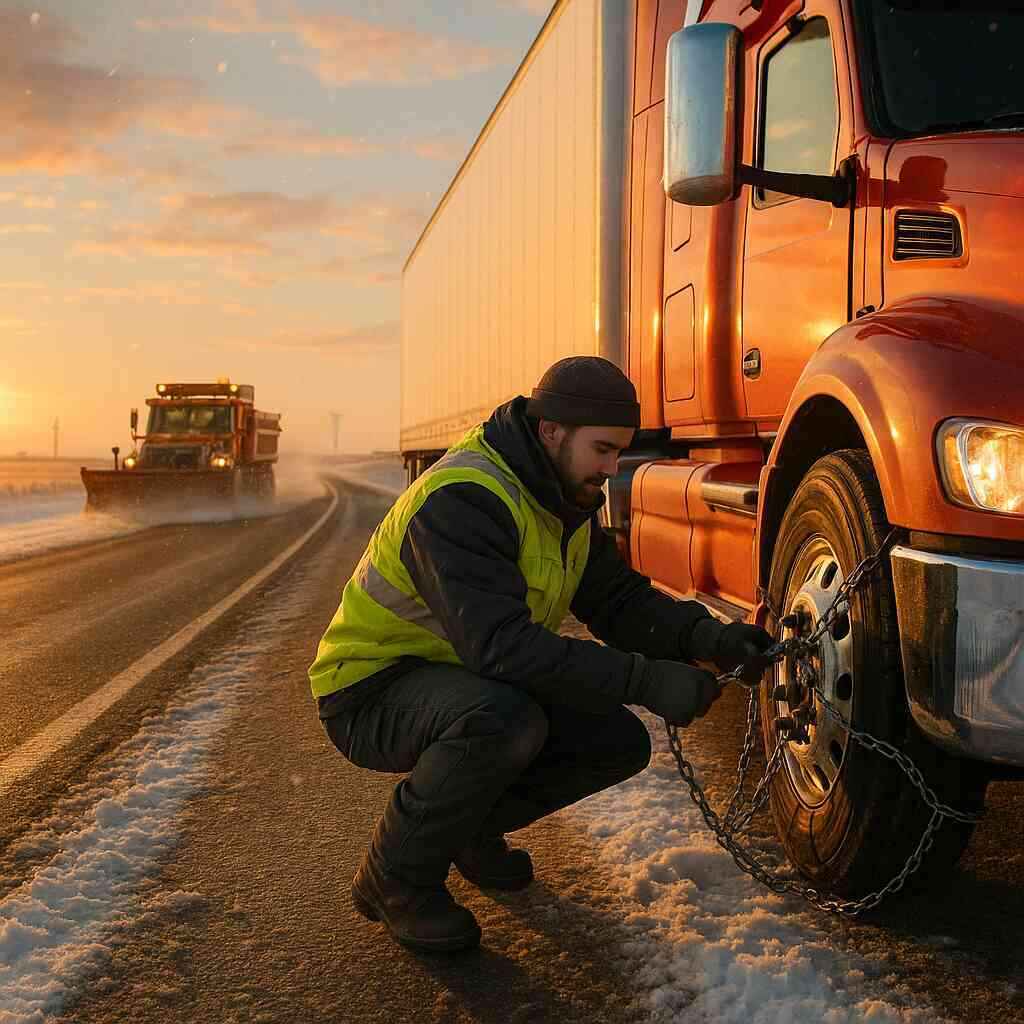 From Crash Scene to Courtroom: Crafting a Kansas Cause of Action
Evidence preservation after truck wrecks, dash-cam downloads and ECM data
Prompt, meticulous evidence preservation often makes or breaks Kansas winter truck accidents. Within minutes, drifting snow buries skid signatures, while well-trained carrier teams retrieve recorders before troopers finish measuring debris fields. Victims who secure dash-cam footage and electronic control module downloads immediately gain leverage when filing a personal injury claim. Our investigators freeze those digital files, preventing post-crash edits that could sabotage litigation. A quick request through the decoding snowstorm evidence for the Kansas lawsuits resource shows families exactly which data points must be protected.
Chain-of-custody protocols then keep the raw information pristine. Attorneys log every handoff, proving authenticity to skeptical insurance companies during discovery. Photographs of damaged underride guards, shattered lighting, and scattered cargo further reinforce liability theories. Combining digital and physical evidence counters common defense claims that drifting snow erased fault indicators. Comprehensive preservation also deters spoliation, supporting motions for sanctions if a carrier destroys files after notice.
Expert accident reconstruction Kansas style reading yaw marks in drifting snow
Accident reconstructionists translate raw evidence into courtroom clarity. They measure yaw marks-those curved skid shadows-before prairie winds erase them. Laser scanners capture millimeter-level terrain data, allowing experts to simulate tractor-trailer dynamics on black ice. When they testify, jurors can visualize how improper emergency braking on icy roads transformed a near miss into a catastrophe. These reconstructions satisfy the legal concept of causation with scientific precision.
Kansas specialists also factor crosswind vectors and trailer load ratios into their simulations. By aligning event-data-recorder speeds with roadway friction coefficients, they illustrate how a prudent driver could have avoided the impact. Such detail refutes blanket defenses that label storms as unavoidable acts of nature. Readers curious about current methodologies can review the latest blog on winter trucking liability for emerging forensic technologies that strengthen a cause of action.
Winter road maintenance liability when state crews miss the storm window
Crews work relentlessly, yet stretched budgets mean some prairie stretches receive delayed treatment. When plows arrive late, thin sheets of black ice harden, inviting multi-vehicle pileups before salt can activate. Injured motorists may pursue winter road maintenance liability claims, alleging negligent timing rather than weather alone. Sovereign immunity defenses exist, but Kansas statutes carve exceptions for gross negligence or failure to follow published protocols. Detailed maintenance logs-and sometimes missing logs-become persuasive evidence.
Plaintiffs often pair those records with expert meteorological testimony. If forecasts clearly predicted freezing rain, yet crews waited hours, foreseeability is easy to establish. Litigators also examine contract plow obligations on toll roads, where private firms may shoulder liability. Effective pleadings integrate both governmental duty and contractor negligence to maximize recovery. Combining these theories broadens insurance coverage and increases negotiation power.
Commercial trucking insurance limits and high-stakes negotiations with insurance companies
Severe collisions frequently surpass federal minimum policy requirements. While primary liability limits provide a starting pool, umbrella layers or excess coverage can exist unnoticed. Seasoned attorneys delve into FMCSA filings, bill of lading contracts, and lease agreements to locate additional funds. When carriers stall, knowing exactly how much coverage remains forces realistic settlement talks. Strategy hinges on revealing numbers without tipping every negotiating card.
High-stakes bargaining also involves thwarting delay maneuvers designed to exhaust plaintiffs financially. Tactics include slow document production, shifting adjusters, and last-minute venue challenges. Our guide on how to defeat carrier delay tactics after a pileup outlines proven countermeasures. Leveraging that roadmap, lawyers can push for early mediation, compel depositions, or seek interest-accruing offers of judgment. These moves keep pressure on insurers and safeguard the injured party’s economic stability.
Personal Injury Law Locator resources for finding a truck accident personal injury lawyer near you
Choosing the right legal team starts with a fast, reliable directory. By using the search truck accident lawyers in the USA tool, victims can compare experienced attorneys within seconds. Each listed firm displays verified credentials, fee structures, and recent verdict summaries, making selection transparent. Filters highlight specialists in tractor-trailer jackknife prevention and winter road maintenance liability, so users match niche expertise to their case facts. Streamlined contact forms ensure immediate consultations before evidence disappears.
For those ready to take action now, a confidential request via the contact injury law locator about the winter wreck claim page triggers an urgent callback. Intake coordinators gather crash details, photograph repositories, and medical treatment summaries to expedite litigation. Meanwhile, educational articles explain recoverable damages, attorney fees, and settlement timelines. This integrated approach removes guesswork for an injured person navigating emotional distress and mounting medical bills. Ultimately, rapid access to proven counsel levels the field against powerful insurance companies.
Calculating the True Cost of a Winter Rig Wreck
Medical bills after a semi crash from severe whiplash to spinal cord injuries
Medical expenses balloon quickly when a snow-slick Kansas highway turns a routine haul into a catastrophic tractor-trailer impact. Ambulance transport, emergency surgery, and advanced imaging appear on invoices before families gather their thoughts. ICU stays, rehabilitation, and durable medical equipment then stack fresh charges onto already staggering balances. Navigating this financial storm feels overwhelming, yet the free tools in the nationwide personal injury law locator hub help injured drivers identify insurance layers and hospital lien rules. With clear guidance, victims convert chaotic statements into organized evidence for a compelling personal injury claim.
Long-term therapies bring additional costs that insurers often minimize. Neurologists monitor spinal cord injuries for months, while orthopedic specialists address lingering whiplash pain through injections and adaptive braces. These follow-up appointments accumulate travel expenses, childcare fees, and pharmacy co-pays. A seasoned personal injury lawyer documents every outlay, ensuring no hidden charges escape recovery calculations. Accurate medical accounting becomes the cornerstone of negotiations with an insurance company determined to protect its bottom line.
Property damage from a big rig slide stacking repair estimates against policy caps
When a sliding eighteen-wheeler crushes a commuter sedan, the metal tells a brutal story of momentum and mass. Appraisers catalog bent frames, shattered drivetrains, and deployed airbags, yet their figures rarely capture full replacement reality. Supply-chain delays inflate parts prices, while specialty bodywork shops add winter surcharges for heated paint bays. Claimants often discover that repair estimates edge dangerously close to liability policy ceilings, forcing early evaluation of underinsured motorist coverage. Proactive legal representation prevents carriers from declaring premature totals that leave owners still paying off destroyed vehicles.
Documentation extends beyond photographs of crumpled panels; it includes diminished resale value once salvage history brands a title. Expert mechanics testify about hidden structural fatigue that may manifest later, supporting higher settlement demands. Attorneys also compare invoice lines to regional averages, exposing any undervaluation tactic. Thorough property damage analysis aligns with calculations for lost personal items inside the cabin, from laptops to child safety seats. This holistic approach closes the gap between surface estimates and true economic loss.
Lost wages and future earnings after a traumatic brain injury in an icy collision
A traumatic brain injury transforms productive workdays into cognitive battles with concentration and memory. Kansas employees who once managed complex tasks can struggle to read spreadsheets or operate machinery after an icy road impact. Immediate wage loss begins the moment hospital gowns replace uniforms, yet the bigger threat lies in reduced earning capacity. Vocational experts chart career trajectories, projecting promotions and pension growth now jeopardized by neurological deficits. Presenting those projections convincingly requires meticulous collaboration between medical professionals and economic analysts.
Defendants frequently argue speculative futures, but settlement leverage increases when projections follow recognized actuarial models. Plaintiffs should explore alternative dispute options if trials threaten lengthy delays; strategic mediation may unlock higher offers. Action plans grounded in proven settlement strategies for icy road truck claims often secure funding for retraining programs or adaptive workplace technologies. By quantifying both immediate paychecks and long-range career arcs, legal teams demonstrate the full scope of financial harm, compelling insurers to negotiate in good faith.
Emotional distress claims when blizzards leave invisible scars
Physical wounds can heal while psychological trauma lingers like endless prairie wind. Flashbacks, anxiety, and sleep disruption plague survivors who watched headlights disappear in blinding snow. Because mental health symptoms rarely appear on radiology scans, defendants dismiss them as exaggerations. Clinicians, however, diagnose post-traumatic stress through standardized assessments that carry significant legal weight. Accessing specialized counselors early strengthens documentation and accelerates recovery.
Plaintiffs bolster credibility by following evidence-based coping plans and maintaining detailed journals of panic episodes. Support groups and cognitive behavioral therapy reduce isolation, creating measurable treatment expenses. Readers seeking guidance can explore our resources on coping with post-crash emotional trauma for practical steps and referral networks. When therapists translate journal entries into clinical notes, juries see authentic suffering rather than subjective complaints. Properly substantiated, emotional distress claims command compensation proportional to the unseen injuries endured.
Wrongful death truck accident Kansas compensation pathways for grieving families
A winter tractor-trailer fatality fractures families, erasing future milestones and financial stability in one icy instant. Kansas statutes allow designated survivors to pursue wrongful death damages that encompass funeral costs, lost household income, and companionship value. Calculating that value involves a balancing actuarial life expectancy with roles the decedent fulfilled, such as childcare or elder support. Experienced attorneys gather employment records, tax returns, and personal testimonies to humanize these numbers for jurors. Skilled narrative framing ensures the deceased is remembered as more than a statistic.
Timing remains critical because evidence degrades and statutory deadlines march forward despite mourning. Early engagement with a legal team preserves electronic logs and secures witness statements before memories fade. Structured settlements may protect minors’ interests while providing immediate funds for daily living expenses. Courts also permit punitive damages when carrier negligence borders on reckless disregard, further widening recovery potential. By pursuing every available pathway, families transform loss into accountability, encouraging safer highways for all.
Thawing Out the Road Ahead: Securing Justice with Personal Injury Law Locator
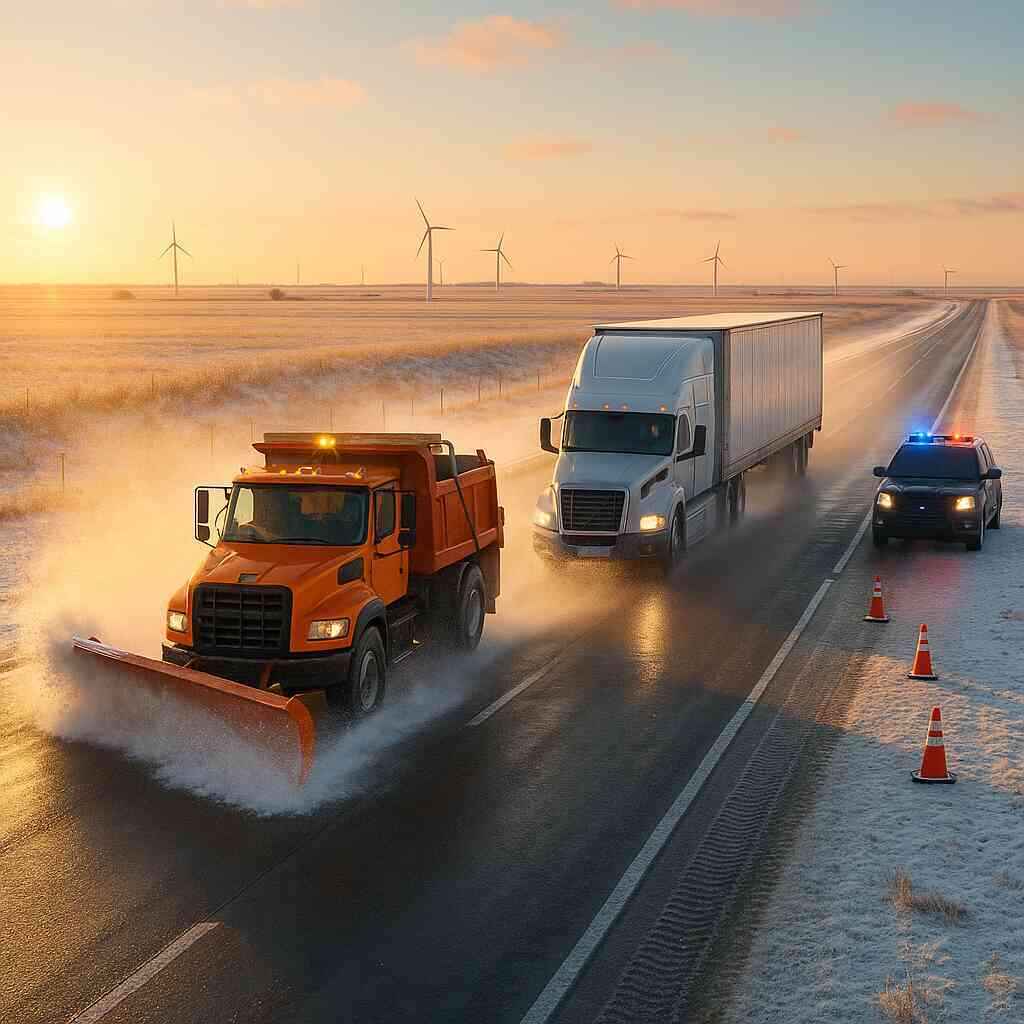 Thawing Out the Road Ahead: Securing Justice with Personal Injury Law Locator
Choosing a legal team that understands tractor-trailer dynamics and prairie winters
Commercial trucking litigation demands attorneys who speak the language of torque curves, axle weights, and frost-heaved asphalt. A seasoned personal injury lawyer near you will pair engineering know-how with local weather insight, translating complex crash physics into persuasive courtroom narratives. They scrutinize tire pressure logs, trailer load ratios, and snowpack density reports to expose hidden negligence. Clients feel empowered because each technical detail directly supports their personal injury claim and clarifies why the insurance company can no longer deny liability. Knowledgeable counsel turns intimidating jargon into actionable strategy, giving every injured party an immediate advantage.
Selecting that caliber of legal representation should never feel like rolling the dice online. Personal Injury Law Locator’s directory filters lawyers by winter-specific case victories and fleet-wide settlement records. Profiles showcase courtroom technology, such as 3-D road scans or aerodynamic modeling, so families know the firm can handle tractor-trailer dynamics. Detailed reviews highlight bedside manner as well as trial ferocity, ensuring emotional distress is respected alongside medical bills. Before signing retainer agreements, users can explore resources on how to avoid discovery blunders in tractor-trailer cases that often sabotage otherwise strong lawsuits.
Strategic settlement timing when insurance company trucking disputes stall
Winter wreck negotiations resemble chess, not checkers, because policy limits, reinsurance layers, and pending weather reports constantly shift leverage. A skilled personal injury attorney watches litigation calendars, medical treatment milestones, and carrier earnings calls for the perfect settlement window. By presenting updated spinal cord injury costs right after surgical recommendations, they corner the insurer into acknowledging future damages. Well-timed mediation also spares victims from holiday deposition stress and preserves cognitive bandwidth for recovery. Tactical patience, balanced with decisive pressure, maximizes compensation without needless courtroom drama.
Insurance companies thrive when claimants grow desperate, so delaying tactics become predictable. Legal teams neutralize those moves by filing motions that accrue interest on any eventual judgment. They schedule expert depositions during fiscal reporting periods, when carriers dread adverse publicity. This strategy pushes adjusters toward fair offers that cover property damage, lost wages, and ongoing therapy. Personal Injury Law Locator’s educational library teaches injured persons why persistence, documentation, and smart timing often yield life-changing settlements.
Protecting public safety by turning personal injury lawsuits into policy change
A single Kansas winter truck accident can illuminate systemic flaws in dispatch protocols, driver training, and road maintenance funding. When plaintiffs pursue civil cases, they force companies and agencies to disclose internal emails, safety manuals, and snow response timelines. Those revelations frequently spur industry-wide corrections, benefiting every motor vehicle accident survivor who ventures onto icy highways. Thus, a personal injury lawsuit serves not only individual justice but also community safety.
Courts may award punitive damages when evidence shows reckless disregard for known hazards, sending a financial shockwave through corporate balance sheets. Fleet managers respond by installing collision-avoidance sensors, revising hours-of-service monitoring, and funding defensive-driving workshops. Legislators often cite trial exhibits while drafting stricter underride guard regulations or enhanced black-ice alert systems. Personal Injury Law Locator celebrates these victories, reminding clients that their courage reshapes policy far beyond a single payout. Together, strategic litigation and informed advocacy transform winter roads from danger zones into safer arteries of commerce.
Frequently Asked Questions
Question: How can Personal Injury Law Locator help me preserve evidence after a Kansas winter truck accident before it disappears in the snow?
Answer: Snow, wind, and highway cleanup crews can erase crucial proof within hours. Personal Injury Law Locator immediately connects you with a truck accident personal injury lawyer who dispatches investigators to secure dash-cam footage, photograph yaw marks, and download ECM data. By freezing this digital and physical evidence, your legal team can build a rock-solid personal injury claim that forces the insurance company to negotiate from a position of weakness.
Question: What makes Kansas Winter Truck Trends via Personal Injury Law Locator different from generic safety articles I see online?
Answer: Our blog blends real crash statistics, meteorological science, and legal strategy into one resource. We explain why freezing rain trucking hazards, black ice collision claims, and rear-end truck collisions in snow keep happening-and how a knowledgeable personal injury lawyer near you can prove negligence. Readers gain not just weather tips but actionable steps for filing a Kansas turnpike pileup lawsuit, calculating medical bills after a semi crash, and overcoming commercial trucking insurance limits.
Question: My spouse suffered a spinal cord injury from a tractor-trailer jackknife; what compensation can we pursue through the Personal Injury Law Locator’s network?
Answer: A severe spinal cord injury triggers multiple damage categories: past and future medical bills, lost wages, diminished earning capacity, property damage, emotional distress, and sometimes punitive damages when carriers ignore DOT hours-of-service winter exemptions. Lawyers in our directory quantify rehabilitation costs, adaptive-equipment needs, and lifelong care so you receive full Kansas truck crash compensation rather than a quick, inadequate payout.
Question: Are winter road maintenance liability claims realistic, or does sovereign immunity block most lawsuits?
Answer: Kansas statutes carve out exceptions when state or contract crews act with gross negligence-such as ignoring freezing rain alerts or delaying salt application until after a multi-vehicle pileup. Personal Injury Law Locator attorneys obtain maintenance logs, weather reports, and expert testimony to prove foreseeability. Successful claims often unlock additional coverage beyond the truck driver’s policy, widening recovery for injured parties.
Question: How quickly should I contact a lawyer after a snowy highway semi crash to avoid insurance company delay tactics?
Answer: Immediately. Carriers deploy rapid-response teams whose sole mission is to shape the narrative before you have representation. By using Personal Injury Law Locator’s 24/7 search tool, you can speak with a vetted personal injury attorney in minutes. Early legal intervention stops spoliation, preserves your rights, and thwarts common delay tactics that devalue claims involving severe whiplash, traumatic brain injury, or wrongful death truck accident cases in Kansas.