 Posted On: 02/11/2026
Breaking the Ice: Introduction to the Alaska Negligence Framework
How personal injury law adapts to extreme environments
Alaska’s fierce weather, vast distances, and seasonal darkness create conditions other states never experience. A routine motor vehicle accident can escalate when black ice, moose crossings, and limited roadside services collide. Personal injury law must therefore recognize delayed medical treatment, medevac expenses, and sudden blizzards that hide evidence. Courts weigh these harsh realities when judging a party’s breach of duty and causation. Injured residents can explore additional insights through the Personal Injury Law Locator resources on Alaska negligence.
The pure comparative fault system also interacts with permafrost-related damage and remote workplace hazards. A plaintiff recovering from frostbite or traumatic brain injury still earns compensation even when partially responsible for an ATV rollover. Skilled attorneys document snowpack depths, visibility levels, and road maintenance logs to reconstruct incidents. Because snow and darkness linger well into spring, evidence preservation protocols differ from warmer jurisdictions. Read the platform’s deep dive on Alaska negligence rules and pure fault law for additional perspective.
Personal Injury Law Locator guiding injured persons across the state
When an injured party contacts a Personal Injury Law Locator, the service deploys geolocation tools to match them with an Anchorage injury attorney or a Juneau personal injury lawyer near you. The database screens firms for maritime experience, premises liability success, and familiarity with pipeline construction accident claims. This triage process accelerates medical treatment coordination, insurance notifications, and early investigation before evidence melts or drifts away. Claimants gain instant access to expertise without exhausting time or fuel on cross-state travel.
Rural snowmachine crashes in Bethel and oil-field burns in Prudhoe Bay demand specialized counsel unavailable on every corner. Victims can find injury attorneys near you in Alaska and receive bilingual support for Alaska Native communities. The locator’s vetting criteria prioritize trial readiness, knowledge of statutory deadlines, and experience countering insurance company lowball strategies. That blend of technology and human insight bridges vast tundra gaps while respecting cultural considerations central to successful resolutions.
Preview of key issues from comparative fault to snow covered walkways
Over the coming sections, we unpack Alaska comparative negligence, statute of limitations personal injury Alaska essentials, and slip and fall jurisprudence on frozen walkways. Readers will learn how wildlife collision accident claims intersect with government road maintenance negligence, and why remote borough notice rules differ from urban centers. Maritime injury under the Jones Act, negligent maintenance of bush planes, and skier collision liability at Alaska resorts also receive dedicated treatment. Each topic ties back to core negligence elements: duty, breach, causation, and damages.
Property owners often underestimate their obligations to remove ice windrows pushed by plows onto public sidewalks. The guide to winter slip claims in icy conditions highlights inspection logs, sand application frequency, and illumination standards that determine liability. Meanwhile, cabin landlords and hotel operators face unique exposure when tourists arrive unprepared for sub-zero temperatures. Preventive steps, summarized in the essential winter premises safety insights for property owners, reduce accidents while strengthening defense strategies if litigation arises.
Numbers on the Tundra Pure Comparative Fault in Action
Understanding percentage based recovery for an injured party
Alaska applies pure comparative fault rules that apportion damages strictly by each party’s responsibility. If a snow-slick crash leaves you thirty percent at fault, you still recover seventy percent of losses. That percentage based recovery distinguishes Alaska comparative negligence from modified systems limiting payouts above fifty percent fault. Personal Injury Law Locator helps claimants document roadway conditions and medical bills supporting their rightful share. You can search for personal injury lawyers across the nation to compare strategies before insurers start dictating numbers.
Calculating the precise offset demands quick action, because skid marks vanish under fresh snowfall. Attorneys collect black box downloads, traffic camera footage, and medevac invoices to anchor economic damages. Non-economic losses, like emotional distress and disfigurement, follow separate pain and suffering analyses. The locator’s Alaska network routinely uses biomechanical experts to translate frostbite or traumatic brain injury into monetary values. Explore methods for assigning those figures by reviewing how to calculate pain and suffering damages in Alaska.
Breach of duty elements proven against multiple defendants
Proving liability rarely stops with a single driver on Alaska’s sprawling highways. Snowplow contractors, remote cafe owners, and freight haulers may share blame when visibility plummets. Plaintiffs must establish the classic breach of duty elements against every potential defendant. Duty arises from statutes, industry customs, or simple foreseeability of harm along an icy corridor. Experienced counsel tracks maintenance logs, radio dispatch transcripts, and wildlife warning signs to weave a cohesive course of action.
Comparative fault still applies among defendants, so juries assign separate percentages to each negligent act. A trucking company might shoulder sixty percent for bald tires, while the state assumes twenty percent for unlit curves. The remaining share could land on a fatigued motorist who ignored avalanche advisories. This granular verdict guides insurers when crafting settlement drafts and subrogation strategies. Studying foundational principles, like those in understanding negligence elements for remote accidents, prepares victims for multi-party negotiations.
Uninsured motorist claims and insurance company tactics in Alaska
Alaska’s vast road network leaves many drivers uninsured or underinsured despite mandatory coverage statutes. When such motorists cause a motor vehicle accident, victims must pivot quickly to their own policy protections. Uninsured motorist claims Alaska residents file still rely on comparative fault percentages. Failing to dispute an unfair allocation can slash compensation for medical treatment and property damage. Claimants should therefore notify carriers in writing, preserve tow receipts, and photograph every dent before snow buries vehicles.
Insurers defend these cases aggressively, often suggesting outdoor enthusiasts assume risk by traveling during blizzard warnings. They also undervalue soft tissue injuries, insisting that muscle strains clear within weeks of the crash. Protect yourself by reviewing insider playbooks that uncover insurer tactics in Alaska comparative-fault cases before adjusters make contact. Understanding standard delay strategies empowers your legal team to demand timely medical payments. Document every conversation and request written denials to strengthen a potential bad-faith personal injury lawsuit.
If the at-fault driver fled, Alaska’s crime victim fund can supplement uninsured motorist benefits. Experienced attorneys coordinate that avenue while pursuing punitive damages for reckless endangerment. They may hire accident reconstructionists to match bumper fragments with suspect vehicles impounded later. Your case file grows stronger when experts quantify how frost heaves or black ice extend the stopping distance. The resulting timeline helps juries understand why a split-second decision does not excuse negligent conduct.
 Cold Deadlines and Treacherous Surfaces Statutes and Premises Liability
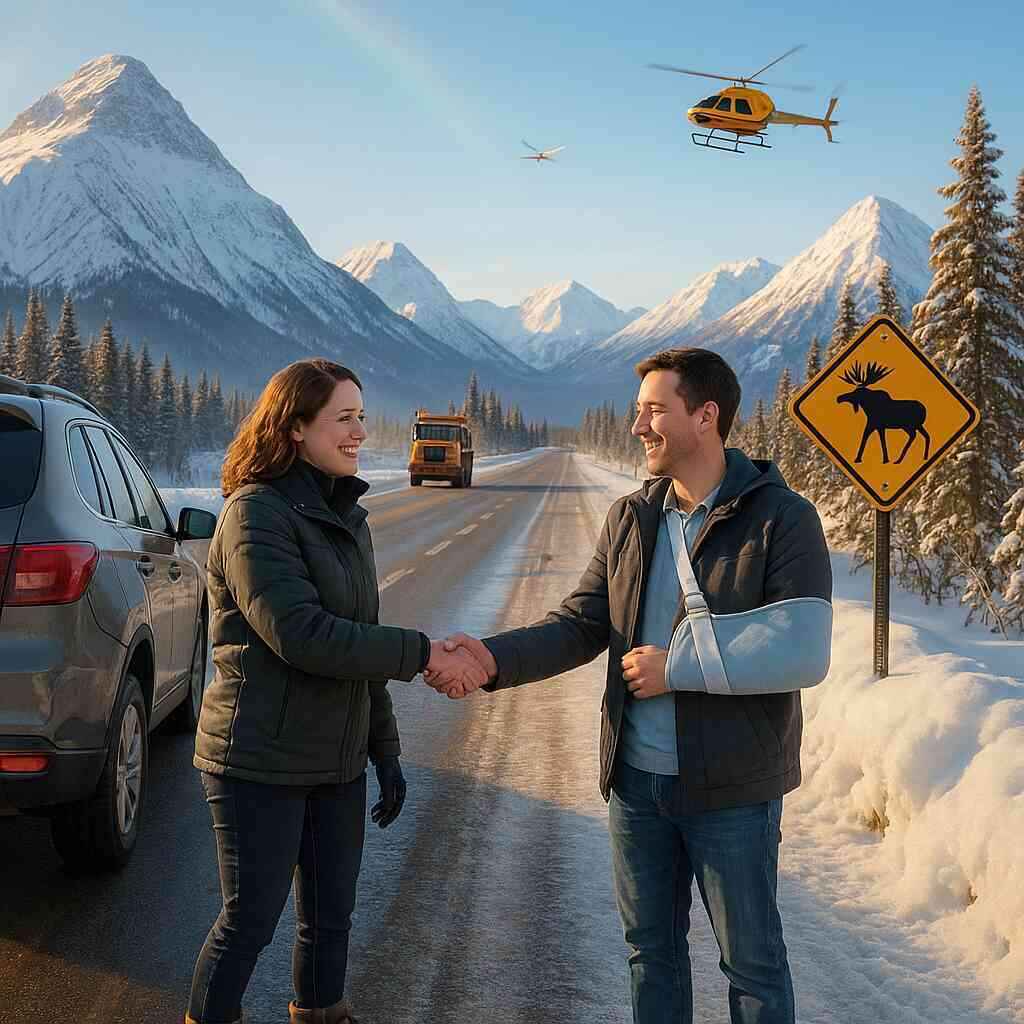 Cold Deadlines and Treacherous Surfaces Statutes and Premises Liability
Statute of limitations for personal injury in Alaska essentials
Every injured person must watch Alaska’s rigid clock because most personal injury lawsuits expire two years after the accident. The statute of limitations for personal injury in Alaska courts enforces pauses only in rare situations, such as minority status or latent toxic exposure. Waiting invites dismissal, leaving victims to shoulder medical bills, property damage, and emotional distress without recourse. A seasoned personal injury attorney therefore records treatment timelines, evacuation dates, and weather conditions the moment a cause of action arises. Prompt filing also preserves witness memories that blizzards and seasonal relocation might otherwise erase.
Wrongful death claims carry a similar two year horizon, yet grieving families often misplace vital crash evidence. An Alaska wrongful death statute filing demands proof of dependency, funeral expenses, and future earnings lost to a motor vehicle accident. Experienced law firm teams collaborate with economic experts to value subsistence harvesting losses unique to rural communities. They also track attorney fees recoverable under certain negligence statutes, preventing insurance companies from exploiting grief-driven delays. Personal Injury Law Locator simplifies these urgent steps by immediately connecting users with an Anchorage injury attorney ready to draft the complaint.
Slip and fall on frozen walkways and snow and ice premises liability tests
Alaska snow-and-ice premises liability hinges on whether landowners acted reasonably given predictable winter hazards. Courts apply the “continuing accumulation” test, measuring inspection frequency, salting routines, and illumination levels against community standards. Slip and fall on frozen walkways often involve commercial plazas where plows leave dangerous berms blocking drainage paths. Victims strengthen claims by photographing untreated ice, documenting footwear tread, and requesting maintenance logs before conditions thaw. Resources such as proving liability in slip and fall on frozen walkways explain foundational negligence concepts without replacing tailored legal advice.
Businesses defend aggressively, arguing patrons assumed risk by venturing outside during storms. Comparative fault rules may reduce damages, yet clear video of an employee ignoring refreeze warnings can outweigh that defense. A personal injury lawyer near you gathers weather reports, expert friction analyses, and prior incident records to establish notice. They also calculate lost wages when hip fractures force workers off shifts during tourist season. Personal Injury Law Locator then pairs claimants with Juneau personal injury lawyers near you professionals who know how jury pools view winter negligence.
Wildlife collision accident claims and road maintenance negligence
Moose and caribou routinely wander highways, making wildlife collision accident claims a grim Alaska reality. Nighttime darkness, blowing snow, and scarce lighting complicate stopping distances even for alert drivers. When a massive animal crushes a windshield, medevac costs skyrocket and traumatic brain injury compensation demands detailed medical modeling. Municipalities share liability if missing reflectors, faded signage, or untrimmed brush conceal migrating herds. For regional comparisons, residents can seek legal help in Oregon for road maintenance negligence and discover strategies transferable to Alaska’s harsher terrain.
Proving Alaska road maintenance negligence claims requires maintenance logs, budget allocations, and crash-cluster data along wildlife corridors. Attorneys overlay collision maps with contractor schedules to reveal neglectful snow-removal gaps. Pure comparative fault still applies, so striking a moose while speeding does not bar recovery; it merely trims percentages. Thorough documentation also supports pain and suffering calculations reflecting nightmares and travel anxiety after gruesome impacts. Personal Injury Law Locator’s database includes biomechanical engineers skilled at recreating ungulate impacts for persuasive demonstrative exhibits.
Government notice requirements in remote boroughs
Suing a city, village, or borough introduces special notice statutes that shorten filing windows to mere months. Remote borough governments demand written notice specifying date, location, and estimated damages long before any civil lawsuit begins. Crews often rotate seasonally, so failing to provide adequate detail lets officials claim prejudice and seek dismissal. Injured parties should send certified letters, preserve mailing receipts, and request stamp confirmations proving timely compliance. Legal teams that overlook this procedural hurdle jeopardize otherwise strong Alaska road maintenance negligence claims.
Communication barriers intensify outside road systems where bush planes deliver mail weekly at most. Claimants benefit from satellite phones, digital signatures, and reputable couriers familiar with tribal governance offices. An Anchorage injury attorney coordinating from the hub can still satisfy notice by partnering with local constables who hand-deliver packets. Juneau personal injury lawyer near you contacts borough clerks’ offices to verify docketing, preventing later disputes about missing documents. Personal Injury Law Locator bridges those logistical gaps, ensuring statutory deadlines never freeze a deserving claim.
Sea Sky and Slope Specialized Injury Arenas
Maritime injury under the Jones Act and cruise ship jurisdiction in Alaska ports
Alaska’s booming cruise industry brings thousands of passengers, crew members, and maritime workers through remote ports each summer. When a deckhand slips on icy rails or a tourist trips during a tender transfer, federal maritime statutes collide with Alaska comparative negligence principles. The Jones Act grants injured seafarers a cause of action for employer negligence, while general maritime law supplies maintenance and cure. Cruise lines often cite exotic forum clauses, yet Alaska courts may still assert jurisdiction when embarkation and disembarkation occur locally. Skilled personal injury attorneys argue venue, choice-of-law, and breach of duty elements with equal vigor.
Passengers injured on floating resorts face a unique statute of limitations far shorter than typical personal injury claims. Early consultation ensures ticket contract deadlines, medical report retention, and witness identification happen before vessels sail away. Personal Injury Law Locator’s database tracks firms versed in Coast Guard investigations and foreign registry defenses. Should a tropical-based defendant demand litigation offshore, victims can still consult a Hawaii attorney for cruise-ship injury cases and coordinate strategy across Pacific venues. That cross-state teamwork leverages expert testimony about icy gangways, propulsion vibrations, and longshore stevedore hazards found nowhere else.
Negligent maintenance of bush planes and medevac evacuation expense claims
Bush pilots deliver groceries, mail, and medics to villages unreachable by highway, yet aging aircraft and hurried schedules invite disaster. When negligent maintenance causes an engine failure over tundra, passengers may suffer traumatic brain injury, frostbite, or wrongful death before rescue teams arrive. Victims quickly accumulate six-figure medevac evacuation expense claims because rotor-wing transport remains the only lifeline after remote crashes. Under Alaska’s pure comparative fault rules, carriers often argue that weather decisions or cargo loading share blame, attempting to trim settlement values. Aviation-qualified personal injury lawyers counter with logbook audits, Federal Aviation Administration violation records, and satellite-tracked flight paths.
Insurance companies resist paying full air-ambulance invoices, claiming “reasonable value” caps divorced from frontier realities. Experienced counsel highlights delayed treatment risks unique to sub-arctic geography and invokes federal aviation safety regulations to prove breach of duty elements. Personal Injury Law Locator connects travelers with litigators who have tried similar winter forced-landing cases in neighboring jurisdictions. Many also maintain partnerships so claimants can access get representation in nearby Washington after an accident if a maintenance facility south of the border shares liability. That multistate approach broadens policy limits and accelerates reimbursement for altitude-related hypoxia therapy.
Skier collision liability at Alaska resorts and recreational immunity exceptions
Ski areas advertise pristine powder and untouched glades, but crowded holiday weekends turn runs into high-speed obstacle courses. When a snowboarder cuts across a blind rollover and collides with a novice skier, serious spinal injuries follow. Alaska’s Skier Safety Act imposes duties on both participants and resort operators, yet recreational immunity shields venues from some lawsuits. Claimants must therefore prove willful or reckless conduct, inadequate warning signage, or negligent slope grooming to bypass statutory protection. Demonstrating visibility distances, snowpack hardness, and downhill traffic flow patterns becomes critical evidence.
Defendants frequently blame the injured party’s speed, equipment choice, or intoxication, invoking Alaska comparative negligence to reduce payouts. Lawyers skilled in winter sports litigation hire kinetic experts to calculate closing velocities and turn-radius decisions. Personal Injury Law Locator screens for firms that understand concussion symptom latency, helmet certification, and lift evacuation protocols. Injured tourists may also review resources through a Colorado comparison when they explore mountain injury guidance in another ski-centric state. Such benchmarking strengthens settlement leverage by showing how national resort chains adopt safer practices elsewhere.
Pipeline construction accident lawyer’s perspective on workplace frostbite and toxic exposure
North-slope pipeline projects demand round-the-clock welding, trenching, and hazmat transfers in wind chills that freeze skin within minutes. Employers must provide heated shelters, insulated gear, and ventilation monitors, yet cost overruns sometimes cut those safeguards. When employees develop frostbite, chemical pneumonitis, or long-term neurological damage from solvent fumes, multiple regulatory regimes intersect. The Alaska Occupational Safety and Health program imposes specific cold-stress standards, while federal pipeline regulations add layers of duty. A pipeline construction accident lawyer marshals incident reports, subcontractor agreements, and environmental testing to prove breach.
Because many sites operate on Native corporation lands, cultural protocols govern evidence collection and community impact statements. Personal Injury Law Locator respects those traditions while assembling a bilingual legal team versed in toxic tort causation models. Economic experts quantify the loss of subsistence harvest damages when injuries prevent hunting or fishing that once fed entire families. Attorneys also pursue attorney fees under fee-shifting statutes, maximizing net recovery after medical bills and rehabilitation costs. Vigorous discovery concerning insulation failures and defective respirators often reveals upstream manufacturer liability, expanding the pool of available insurance coverage.
Traumatic brain injury compensation after ATV rollover or dog sled tour accidents
Adventure tourism agencies market all-terrain vehicles and sled dog excursions as bucket-list thrills, yet uneven ice ridges and hidden stumps lurk beneath snow crusts. When guides speed or skip safety briefings, ATVs flip and sled rigs jackknife, launching riders into spruce trunks. Resulting traumatic brain injuries create lifelong cognitive deficits, speech impairment, and emotional distress requiring intensive therapy. Alaska snow-and-ice premises liability principles combine with motor vehicle accident doctrines to allocate fault among operators, outfitters, and landowners. Helmet compliance, terrain scouting logs, and guide training records become pivotal evidence.
Insurance companies often undervalue concussions, insisting symptoms fade quickly, while families confront mounting neuropsychological testing expenses. Personal Injury Law Locator links victims with neurologist-supported personal injury lawyers near you who develop persuasive life-care plans detailing attendant care, vocational retraining, and assistive technology. They reference biomechanical studies and collision reconstruction data similar to those used in traffic collision fundamentals for multi-vehicle ice crashes to demonstrate force vectors during rollovers. By presenting concise graphics and virtual reality reenactments, counsel converts invisible cognitive losses into jury-comprehensible damages. Courts then apply pure comparative fault percentages, ensuring even partially responsible thrill seekers receive fair compensation for shattered futures.
Trail to Recovery Conclusion and Next Steps
 Trail to Recovery Conclusion and Next Steps
Calculating pain and suffering caps and loss of subsistence harvest damages
Alaska places statutory ceilings on noneconomic awards, yet those limits adjust for injury severity and inflation factors. Understanding the formulas shields an injured party from insurers who misstate the cap to force quick agreements. Attorneys begin by separating economic harms, like medical bills, from intangible anguish, then apply the regulatory multiplier. They also benchmark jury verdicts to show carriers the true range of potential exposure. Reviewing an overview of compensatory and punitive damages helps claimants grasp the distinction between ordinary compensation and penalty-driven awards.
Beyond traditional wage loss, frontier residents may lose access to hunting, fishing, and gathering that once sustained their families. Skilled economists therefore calculate loss of subsistence harvest damages, converting missed moose seasons or berry harvests into measurable dollars. Expert testimony details travel replacement costs, grocery inflation, and cultural disruption caused by physical injuries. Courts increasingly recognize these unique losses when applying Alaska comparative negligence percentages. Precise documentation prevents defense counsel from dismissing heritage-based claims as speculative or sentimental.
Assembling a legal team with an Anchorage or Juneau personal injury lawyer near you
Severe injuries demand coordinated talent, not a lone practitioner juggling hearings across vast distances. Personal Injury Law Locator screens for Anchorage injury attorneys and Juneau personal injury lawyers who already know local judges, medical professionals, and reconstruction experts. Early collaboration means aviation engineers, wildlife biologists, and vocational analysts join the case before evidence melts or migratory witnesses leave. This multidisciplinary approach strengthens causation theories while lowering overall investigation costs. Clients also benefit from cultural liaisons who respect Alaska Native protocols during deposition scheduling.
Once the core team forms, clients receive a digital dashboard that tracks deadlines, medical treatment progress, and insurance company communications. The platform’s secure portal lets rural residents upload photos, snowpack readings, and medevac invoices without expensive travel. Resource pages on Personal Injury Law Locator explain each litigation milestone in plain language, ensuring every injured person stays empowered. Regular video conferences keep families informed, reducing anxiety and improving testimony coherence. Transparent budgeting further builds trust, because projected attorney fees and expert costs appear alongside expected recovery ranges.
From settlement talks to civil lawsuits how Personal Injury Law Locator accelerates justice
Negotiations start with a demand letter that weaves medical charts, wage statements, and weather data into a vivid narrative. Experienced adjusters quickly realize the file will mature into a persuasive trial exhibit if they ignore fair numbers. Should mediation stall, the legal team files a personal injury lawsuit without losing momentum, because pleadings, affidavits, and service packets were pre-drafted during initial intake. That readiness compresses the litigation timeline, denying defendants the usual delay advantage. Continuous case valuation updates guide strategic choices between arbitration, high-low agreements, or courtroom verdicts.
During discovery, attorneys depose road maintenance supervisors, vessel safety officers, or ski-patrol directors under oath, locking in testimony before memories fade. Motion practice then narrows disputed issues, saving jurors from information overload and controlling trial costs. When the verdict arrives, post-judgment motions and lien resolutions proceed quickly thanks to pre-negotiated medical provider agreements. Throughout the journey, Personal Injury Law Locator supplies educational content, paralegal check-ins, and emergency funding referrals, ensuring no client must choose between healing and pursuing justice. Victims finish the process confident they received every dollar the law allows, together with the dignity of a well-fought case.
Frequently Asked Questions
Question: How does Alaska’s pure comparative fault system impact my recovery if I share blame for a snow-and-ice accident?
Answer: Alaska follows pure comparative fault rules, meaning your compensation is reduced only by your percentage of responsibility-never barred entirely. For example, if a jury finds you 30 % at fault for a slip and fall on frozen walkways, you can still collect 70 % of medical bills, lost wages, and pain and suffering. Personal Injury Law Locator quickly matches you with an Anchorage injury attorney or Juneau personal injury lawyer near you who documents black ice conditions, breach of duty elements, and medevac evacuation expense claims so insurers cannot exaggerate your share of fault.
Question: What is the statute of limitations for personal injury Alaska enforces, and how does Personal Injury Law Locator keep my case on schedule?
Answer: Most Alaska personal injury claims-whether from a motor vehicle accident, pipeline construction accident, or traumatic brain injury compensation case-must be filed within two years of the incident. Personal Injury Law Locator’s digital dashboard timestamps your accident, tracks medical treatment, and sends automated reminders so your legal team files before the deadline. If a government entity or remote borough is involved, we also satisfy special notice rules that can shrink the window to a few months, preserving your right to sue for Alaska road maintenance negligence claims or wildlife collision accident claims.
Question: How can Personal Injury Law Locator strengthen uninsured motorist claims that Alaska residents file after a hit-and-run or wildlife collision?
Answer: First, we connect you to a personal injury lawyer near you who immediately notifies your insurer, secures tow receipts, and photographs property damage before fresh snowfall hides evidence. Our network understands insurance company delay tactics and leverages accident reconstruction, skid-mark analysis, and black box data to prove liability and damages. We also coordinate crime-victim fund applications and pursue bad-faith penalties if the carrier undervalues medical bills or emotional distress.
Question: In the blog post Personal Injury Law Locator Explains Alaska Negligence Rules, you reference the pain and suffering caps Alaska applies. Will those limits reduce my award?
Answer: Alaska does cap noneconomic damages, but the ceiling adjusts for injury severity, inflation, and special categories like wrongful death or permanent disfigurement. Experienced attorneys separate economic losses from intangible harm, then apply statutory multipliers to maximize your recovery. They also argue that loss of subsistence harvest damages-unique to many Alaska Native personal injury rights-so total compensation reflects cultural as well as financial impact. Insurers often misquote the cap; our vetted law firms present accurate figures backed by recent jury verdicts.
Question: Can Personal Injury Law Locator connect me with counsel for maritime injury under the Jones Act, cruise ship jurisdiction in Alaska ports, or negligent maintenance of bush planes-all within one legal team?
Answer: Yes. Because the Personal Injury Law Locator serves all 50 states, we maintain a roster of maritime, aviation, and remote workplace specialists. Whether you slipped on an icy gangway, suffered a spinal injury during a bush-plane forced landing, or need a pipeline construction accident lawyer, we assemble a multidisciplinary legal team that understands pure comparative fault, medevac billing disputes, and complex federal statutes. One call or online form instantly locates the personal injury attorney best equipped to secure optimal settlements and verdicts for your specific type of injury.