 Posted On: 02/02/2026
Opening the Frosted Throttle Texas Riders and the Winter Paradox
Warm sun cold pavement illusions on Lone Star roads
Texas riders often launch at dawn under a radiant sky, convinced the day will stay mild. The asphalt, however, still holds the midnight chill, turning familiar curves into slick traps even when the thermometer fools the eye. These Texas winter motorcycle safety tips begin with acknowledging that black ice hazards for motorcyclists can hide in shaded patches long after breakfast. A tire that grips perfectly in midsummer can skate sideways when its compound stiffens below freezing, erasing the margin for error. Recognizing the gap between sky warmth and pavement reality is the first defensive maneuver every Lone Star biker must master.
Seasoned commuters know that early-morning condensation settles in low-lying river bends, glazing the surface until the sun climbs high enough to evaporate it. While you accelerate out of a sweeping turn, centrifugal force meets a film of near-invisible moisture, and traction disappears in a heartbeat. Add wind chill on Texas highways, and your fingers tighten, delaying reactions by precious milliseconds. A pre-ride mechanical check in freezing temps is useless if the rider’s senses are dulled by cold numbness. Respecting microclimates, slowing in shaded valleys, and scanning for sparkle at the road’s edge help translate experience into survival.
Personal Injury Law Locator is riding with you
When an unexpected slide leaves an injured person dazed beside the road, legal questions surface as fast as the pain. Medical bills, property damage, and lost wages start tallying before the ambulance doors even close. That is why riders bookmark legal support for Texas riders during winter crashes before the season begins. Personal Injury Law Locator instantly connects you with a personal injury lawyer near you who understands motorcycle dynamics, winter road conditions, and stubborn insurance company tactics. Having a legal team lined up allows you to focus on medical treatment while professionals safeguard your personal injury claim.
Because frosted mornings respect no state line, our platform maintains a nationwide reach for traveling Texans. A quick search through the directory to find injury lawyers across the US lets you secure representation if a cold front follows you into neighboring states. Each vetted attorney knows how insurers negotiate winter motorcycle cases and can document emotional distress along with physical injuries. From calculating damages after a black-ice spill to filing a civil lawsuit when negligence is blatant, Personal Injury Law Locator remains your co-pilot in the legal lanes.
Essential cold weather riding gear for resilient Texans
The smartest defense against seasonal hazards is layering strategic armor from head to toe. Heated motorcycle clothing advantages extend beyond comfort; a stable core temperature keeps reflexes crisp when seconds decide fate. A moisture-wicking base absorbs sweat, an insulating mid-layer traps warmth, and an abrasion-rated shell blocks wind and road rash. Waterproof gloves with battery-powered liners fight frostbite while preserving finger dexterity for precise throttle control. Reflective panels, mandatory in fog and low-visibility riding conditions, alert distracted drivers before tragedy strikes.
Your helmet also needs cold-weather upgrades. An anti-fog insert prevents sudden blindness when you exhale warm air into freezing ambient temperatures. Adjustable vents balance airflow to avoid visor icing without numbing your cheeks. Pair that helmet with winter motorcycle tire traction advice: slightly lower pressure can enlarge the contact patch, though never beyond manufacturer limits. Carry a compact emergency roadside kit for cold rides that includes thermal blankets, chemical warmers, and a high-lumens strobe. Finally, if an unforeseen spill occurs, contact Personal Injury Law Locator for a free consultation before memory fades and skid marks vanish, ensuring evidence remains as solid as your commitment to ride.
Hazard Constellations on the Chill Asphalt
Black ice stealth and traction loss for motorcyclists
Black ice hides beneath innocent reflections, trapping unwary riders during brisk dawn departures across Central Texas. The slick film defeats traction instantly, making familiar lanes resemble polished marble under thin winter light. Seasoned bikers sprinkle these Texas winter motorcycle safety tips into every pre-ride ritual to stay upright. They slow gently, test surface feedback, and scan shaded corners where danger often lurks invisible. If a skid still happens, motorcycle accident attorneys in Texas near you provide crucial guidance before insurers minimize compensation.
Traction loss rarely leaves long skid marks, so riders must immediately document conditions after regaining stability. Photographs of tire imprints, thermometer readings, and shaded ice patches establish later proof of roadway peril. Quick evidence protects personal injury claims from skeptical insurance companies questioning genuine black ice hazards for motorcyclists. Our industry recommends storing a laminated checklist inside your saddlebag for stress-filled post-fall moments. For deeper guidance on meticulous documentation, read about collecting evidence after a winter crash on ice and refine your preparedness.
Fog banks and low visibility survival techniques
Thick hill fog drifts like cotton across ranchland, swallowing taillights before riders can react. Vision loss multiplies risk, yet strategic moves cut through grey walls safely. First, reduce speed gradually to maintain buffer zones other motorists seldom grant motorcycles in mist. Second, amplify conspicuity using high-lumen auxiliary lamps and reflective decals flashing in every direction. Finally, check barometric drops with onboard apps and consult Texas vehicle claim insights for seasonal roads regarding liability.
Dense moisture fogs visors, so anti-fog inserts and Pinlock shields become indispensable cold weather riding gear for Texas bikers. Wipe interior surfaces only with microfiber to prevent scratches from diffusing limited light further. When visibility sinks below posted minimums below, pull off at illuminated exits rather than shoulder areas drivers miss. Fog also deadens sound, reducing reaction time to oncoming vehicles, so keep the horn thumb ready. Build habits now, and your muscle memory will override panic when the world vanishes in swirling grey.
Wind chill dynamics on wide open Texas highways
A calm forecast misleads because highway speeds amplify wind chill, dragging core temperature toward hypothermia quickly. Every ten-mile per hour increase can drop perceived temperature several degrees, stealing tactile feedback from fingers gripping bars. Riders counter this invisible threat with heated motorcycle clothing advantages like battery-powered liners that distribute warmth evenly. Layering remains crucial, yet airflow management prevents sweat saturation that chills once speed rises again. Always drink water because dehydration arrives silently in cold air, impairing concentration during long desert stretches.
Numb extremities slow clutch work, lengthening stopping distance, which transforms minor surprises into serious motor vehicle accidents. If frostbite forces an unplanned stop, call emergency services first, then photograph the location for future personal injury lawsuit evidence. Preserve medical bills and gear receipts; they prove physical injuries and property damage later during negotiations. Your legal team can tie documented wind chill exposure to delayed reaction times, demonstrating cause of action effectively. Proper records discourage insurance companies from undervaluing claims after adrenaline fades and memories blur.
Hill Country route planning when temperatures plunge
Texas Hill Country excites riders with sweeping vistas, yet elevation swings breed sudden cold pockets demanding foresight. Before launching, compare multiple forecast sources, emphasizing overnight lows where black ice forms near creek crossings. Map fuel stops within twenty-mile intervals; many rural stations reduce hours when tourists disappear during colder months. Share itineraries with friends and maintain satellite messaging because cell coverage fades behind limestone ridges. For legal context on regional duties, review the comprehensive guide to Texas injury laws for riders before exploring secluded switchbacks.
Cold-weather detours sometimes cross county lines, affecting jurisdiction if a personal injury claim arises. Understanding which law firm files where can save weeks of procedural delay harming evidence integrity. Personal Injury Law Locator simplifies research by listing personal injury attorneys in each relevant county. While route planning, also note hospitals certified for trauma because prompt medical treatment supports damage calculations. Combining logistical precision with legal insight keeps adventure thrilling rather than financially disastrous.
Deer collision avoidance on rural twilight rides
Twilight in ranch country invites deer herds to graze roadside, turning dusky commutes into unpredictable obstacle courses. Motorcycle headlights mesmerize deer, freezing them mid-lane when the reaction room disappears quickly. Reduce speed, ride closer to the centerline, and scan fence lines for reflecting eyes before they leap. Fit auxiliary horns emitting alternating frequencies; wildlife reacts faster to unusual sounds than to constant pitches. Installing high-contrast visors also sharpens silhouettes against fading light, granting precious milliseconds for evasive maneuvers.
Despite vigilance, deer strikes still account for rising personal injuries and wrongful death numbers among rural riders. Immediately after impact, move safely off the pavement, activate flares, and contact authorities to create official accident reports. Preserve damaged fairings and biological debris; forensic labs can corroborate collision angles if negligence disputes emerge. Forward veterinary bills from injured animals to your legal team; unusual costs often strengthen property damage negotiations. Finally, pursue counseling if emotional distress follows; juries increasingly recognize psychological recovery within holistic compensation.
 Strategic Armor for Body Bike and Legal Claim
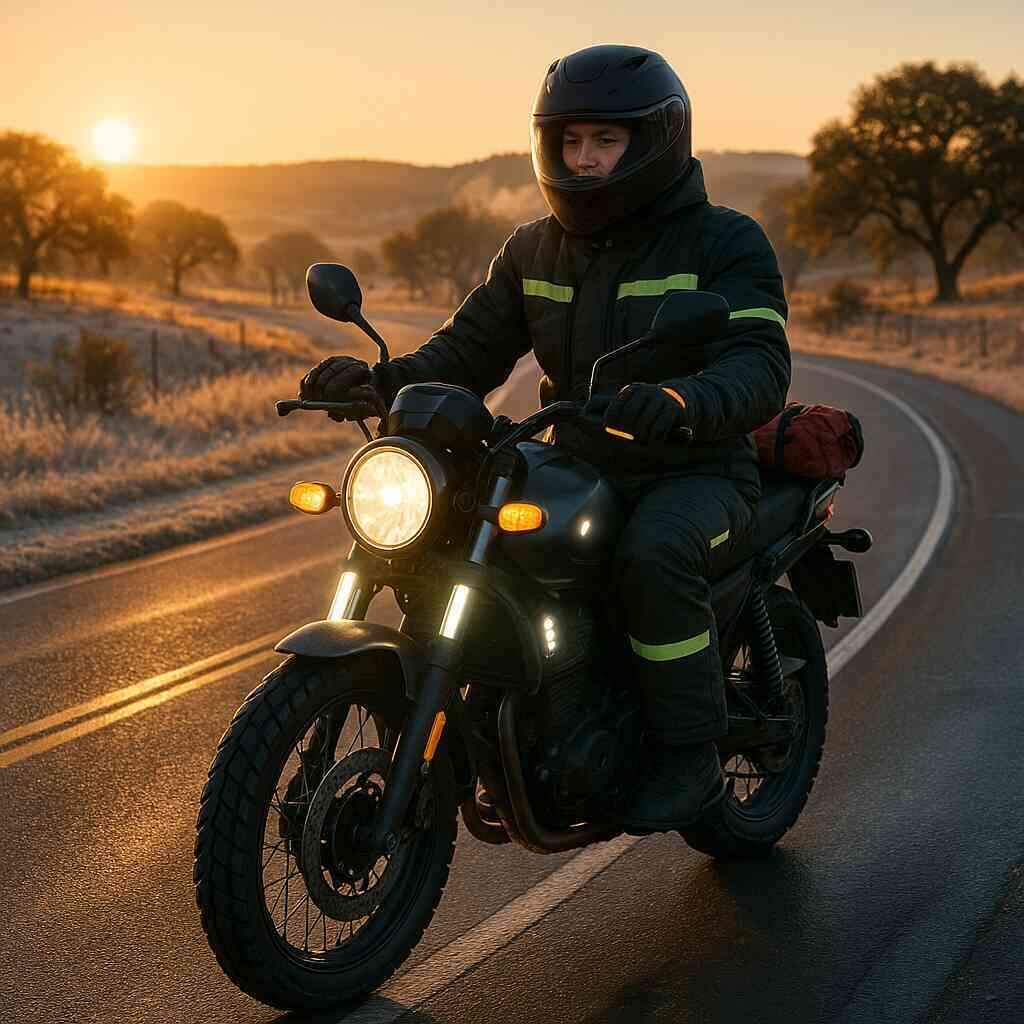 Strategic Armor for Body Bike and Legal Claim
Heated motorcycle clothing and hypothermia prevention
Riders often underestimate how quickly wind chill strips away body heat once highway speed builds. Heated motorcycle clothing advantages extend beyond comfort; stable core temperature keeps cognitive function sharp when unexpected hazards appear. Battery-powered liners distribute warmth evenly, preventing hot spots that cause sweating and later chilling. Combine them with moisture-wicking base layers so perspiration never lingers against skin and steals valuable calories. Add a balaclava designed for helmets to seal neck gaps where icy gusts otherwise penetrate.
Preventing hypothermia on a motorcycle is not solely about gadgets; it also demands strategic ride planning. Schedule fuel stops to coincide with warming breaks inside heated spaces, not just under canopy pumps. Sip warm fluids at each stop, because hydration improves circulation to extremities and helps the body metabolize calories into heat. Teach passengers the early signs of hypothermia-slurred speech, shivering, memory lapses-and agree on a signal to pull over immediately. When core temperature stays regulated, reaction times remain crisp, lowering crash probability and guarding against future personal injury claims.
Pre-ride mechanical check in freezing temps
A thorough pre-ride mechanical check in freezing temps protects both machine and rider. Cold metal contracts, causing bolts to loosen and seals to shrink, so inspect fasteners methodically. Test battery voltage, because dropping temperatures slash cranking amps and leave you stranded in isolated Hill Country valleys. Verify coolant strength, ensuring it resists overnight freezes that can crack engine blocks and generate expensive property damage. Finally, confirm all lighting functions; brittle filaments often fail when jolted on frosty mornings.
Lubrication requires special attention in winter. Use oil with viscosity formulated for low temperatures, allowing rapid circulation at start-up. Spray pivot points with a synthetic lubricant that remains fluid below freezing, safeguarding clutch and brake feel. Inflate tires to the manufacturer’s recommendations after letting them rest indoors; compressed cold air can yield false low readings. Completing this checklist may take ten minutes, yet it prevents mechanical surprises that escalate into motor vehicle accidents and soaring medical bills.
Winter motorcycle tire selection and pressure science
Tire compounds designed for summer harden when the mercury drops, shrinking the contact patch and eroding traction. Following expert winter motorcycle tire traction advice starts with choosing rubber labeled for cooler climates or sport-touring versatility. These compounds retain flexibility, bite into cold asphalt, and shed water faster. Riders then fine-tune pressure, sometimes lowering it slightly within safe limits to enlarge the footprint without overheating sidewalls. Always recheck pressure once tires warm, because internal temperatures rise faster on long interstate hauls.
Tread depth must exceed the legal minimum to channel slush effectively. Replace tires showing uneven wear, because scalloped surfaces break traction suddenly on black ice. After mounting new rubber, allow a gentle scrub-in period; fresh mold release agents can be slick until worn away. Keeping a portable gauge in your tail bag turns every fuel stop into an opportunity for micro-adjustments that could prevent a skid and the consequent personal injury lawsuit.
Anti lock braking benefits for slick surfaces
Modern anti-lock braking systems revolutionize motorcycle control on unpredictable winter roads. ABS sensors modulate brake pressure hundreds of times per second, preventing wheel lock when you grab the lever instinctively on ice. This technology shortens stopping distance and preserves steering authority, allowing riders to swerve around hazards rather than slide helplessly toward them. Experienced instructors teach riders to practice threshold braking in an empty lot to feel ABS pulses and build confidence.
Anti-lock braking benefits for bikes also translate into stronger legal positions after an accident. Proving you maintained factory safety systems rebuts allegations of contributory negligence. Insurance companies often argue that riders exceeded safe operation, but functioning ABS demonstrates responsible preparation for known seasonal risks. Document service records for the system, and store digital copies with registration paperwork. When combined with eyewitness testimony, those records can influence settlement figures toward full compensation.
Building an emergency roadside kit for cold rides
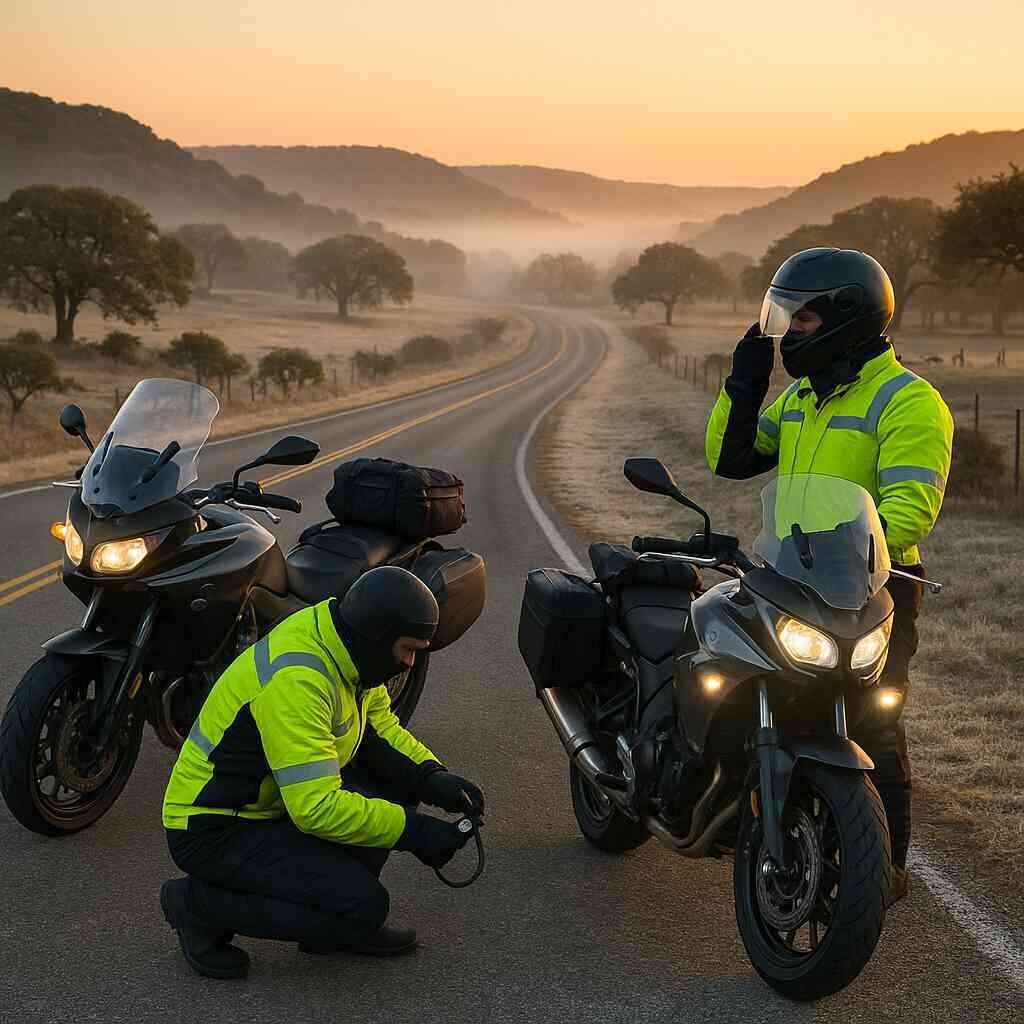
An emergency roadside kit for cold rides turns inconvenient breakdowns into manageable delays rather than life-threatening ordeals. Pack a compact lithium jump starter, reflective triangle, tire plug kit, and CO₂ inflator. Add chemical hand warmers, mylar blankets, and a small insulated water pouch to combat wind chill on Texas highways if waiting for assistance. Include high-calorie energy bars that resist freezing, because hunger accelerates hypothermia progression.
Lighting matters when daylight fades early. Carry a headlamp with winter-rated batteries and a strobe mode to alert passing drivers. Waterproof matches and a collapsible metal cup let you heat water for emergency hydration. Store everything in a dry bag secured low on the bike for stability yet accessible without unpacking luggage entirely. By preparing thoroughly, you minimize exposure time, reduce physical injuries, and strengthen any future personal injury claim with proof of prudent conduct.
Documenting a crash on icy pavement for evidence
After a fall, adrenaline clouds judgment, but meticulous evidence gathering begins the moment you regain composure. First, activate your phone’s camera to capture skid marks, road texture, and surrounding signage. Documenting a crash on icy pavement includes photographing your tires, because ice buildup on treads demonstrates conditions at impact. Next, record a short video narrating what occurred while the memory remains vivid. Clip shows traffic flow, lighting, and ambient noise that may later corroborate witness accounts.
Collect names and contact information of motorists who stopped to help. Ask them to note in their phones that ice was present, reinforcing your version when memories fade. Preserve damaged gear, especially gloves and helmet faceshields scraped by asphalt; they visually prove force angles. Request official weather data from the nearest station once you reach safety. These steps align with motorcycle injury claim tactics explained and position you for successful negotiations.
Negotiating with insurance companies after a skid
Negotiating with insurance companies after a skid demands strategic patience and documented facts. Adjusters often downplay seasonal factors, suggesting rider error rather than roadway hazard. Counter by presenting your photos, weather reports, medical treatment records, and maintenance logs. Highlight the cost of heated gear and winter tires, proving you invested in safety. Such evidence shifts the conversation from speculation to undeniable data.
Understanding how insurers negotiate winter motorcycle cases empowers you to reject lowball offers confidently. If adjusters question liability, cite your compliance with traffic laws and use of factory ABS. Present receipts for emergency roadside kit components to illustrate preparedness. When an insurer realizes you can substantiate every claim, settlement figures usually rise. Keep communications in writing, and consider forwarding correspondence to your legal team for parallel evaluation. Persistence and documentation turn the process from frustrating to fruitful.
Choosing a personal injury lawyer near you through Personal Injury Law Locator
Selecting the right attorney can change the trajectory of your recovery. Personal Injury Law Locator simplifies the hunt by filtering lawyers familiar with seasonal motorcycle dynamics and regional statutes. Input your ZIP code, and within seconds, profiles appear detailing courtroom experience, win percentages, and fee structures. This transparency accelerates decision-making when time and evidence quality matter most.
Traveling riders sometimes crash outside their home states, yet representation remains within reach. For example, Texans sliding across the Red River can secure injury representation in Oklahoma for cold-weather riders in a few clicks. Each listed personal injury attorney understands local court nuances, ensuring jurisdictional hurdles do not derail claims. Whether negotiating medical bills, property damage, or wrongful death actions, the platform’s curated network provides trustworthy allies. Equip yourself with legal armor equal to your physical gear, and winter’s risks become challenges rather than catastrophes.
Warming the Road Ahead: Recovery Safety and Justice
Medical bills property damage and the true cost of a winter wreck
A sudden slide on frozen asphalt rarely ends with a simple bruise. Emergency transport, diagnostic scans, and specialist consultations stack medical bills quickly. Meanwhile, bent forks, cracked fairings, and destroyed riding gear inflate property damage far beyond cosmetic repairs. Add lost wages, childcare, and travel costs to appointments, and the true financial toll dwarfs initial estimates. Recognizing this full spectrum of losses is the first step toward an adequate personal injury claim.
Hidden expenses continue long after stitches come out. Physical therapy, adaptive equipment, and counseling for emotional distress demand steady funding that insurance companies prefer to overlook. Riders who understand how insurers negotiate winter motorcycle cases counter low offers with documented proof and expert testimony. Detailed receipts for every cracked component and hospital charge create an indisputable ledger. When combined with clear medical narratives, those documents transform a vague request into a compelling demand for fair compensation.
Filing a personal injury claim after seasonal accidents
Strong claims begin at the crash scene. Clear photographs, officer reports, and eyewitness statements establish liability before memories fade. Subsequent medical treatment records connect physical injuries directly to the motor vehicle accident, satisfying the essential cause of action. Submitting this evidence early signals seriousness and reduces room for insurer delay tactics. A personal injury lawyer near you can file within statutory limits while you focus on recovery.
Timely notification to every relevant insurance company is crucial. Riders must also track repairs, rental expenses, and mileage for doctor visits to claim reimbursement later. If negotiations stall, the attorney converts the file into a civil lawsuit, leveraging discovery rules to uncover hidden policy benefits. Throughout the legal process, Personal Injury Law Locator remains a resource for strategic guidance and local representation. Prepared clients tend to reach favorable settlements without ever stepping into court.
Protecting families from wrongful death tragedies
When a rider does not return home, the loss transcends monetary value. Wrongful death statutes let surviving spouses, children, or parents pursue compensation for funeral costs, lost income, and companionship. Courts also recognize future contributions the deceased would have provided, from college tuition to retirement security. Calculating these projections requires economic experts who translate emotional absence into measurable damages.
Experienced counsel shields grieving families from insurance adjusters seeking quick, undervalued resolutions. The law firm collects accident reconstruction data, medical examiner findings, and vocational analyses to establish fault and quantify loss. Personal Injury Law Locator connects households with attorneys who handle delicate conversations respectfully while pressing defendants hard. By securing resources early, relatives can focus on healing rather than mounting bills.
Key takeaways to ride smart and claim fair
Winter riding in Texas demands vigilance, layered protection, and proactive legal planning. Document each trip, maintain your bike meticulously, and store emergency supplies to reduce risk. If a crash occurs, gather evidence immediately and seek medical treatment even for minor aches; latent injuries often surface later. Engage a personal injury attorney before speaking extensively with insurers to preserve leverage. Ultimately, safety preparation and legal readiness form a dual shield against physical and financial harm.
Should a frosty curve defeat even your best precautions, Personal Injury Law Locator stands ready to help. Our national network pairs injured riders with proven advocates who understand seasonal hazards and local courts. One confidential consultation can convert chaos into a clear strategy for recovery. Restore your health, rebuild your machine, and reclaim lost income with informed guidance at every turn. Ride confidently, knowing justice travels with you.
Frequently Asked Questions
 Frequently Asked Questions
Question: How can Texas riders reduce black ice hazards for motorcyclists during early-morning commutes?
Answer: Start by checking multiple weather apps before dawn and assume any shaded patch may be slick until late morning. Ride one gear lower to keep RPMs higher for smoother throttle modulation, and apply both brakes gently to feel for hidden ice. Use winter motorcycle tire traction advice-slightly lower tire pressure within manufacturer limits to enlarge your contact patch-and rely on anti-lock braking benefits for bikes if you must stop suddenly. Finally, carry an emergency roadside kit for cold rides with a small thermometer; photos of ice and temperature readings become vital evidence if you need to file a personal injury claim after a skid.
Question: What cold weather riding gear for Texas bikers does Personal Injury Law Locator recommend to prevent hypothermia on a motorcycle?
Answer: Layer smart: a moisture-wicking base, an insulating mid-layer, and an abrasion-rated shell with reflective panels for fog and low-visibility riding techniques. Heated motorcycle clothing advantages include battery-powered gloves and jacket liners that keep core temperature stable, preserving reaction time on long Texas highways. Add an anti-fog helmet insert, waterproof boots with thermal insoles, and protective riding gloves against frostbite. If a winter wreck still happens, documented receipts for this gear strengthen your property damage assessment for bikes and underscore your diligence when negotiating with insurance companies after a wreck.
Question: Why is a pre-ride mechanical check in freezing temps crucial, and how can Personal Injury Law Locator help if something still goes wrong?
Answer: Cold metal contracts, loosening bolts, thinning lubricants, and sapping battery cranking amps-any of which can trigger a motor vehicle accident that piles up medical bills and property damage. By inspecting tire pressure, coolant strength, lighting, and fasteners, you cut the risk dramatically. However, if a mechanical failure still causes an injured person to crash, Personal Injury Law Locator instantly connects you with a personal injury lawyer near you who can establish a cause of action, prove negligence, and pursue fair compensation for medical treatment, lost wages, and repair costs.
Question: How does the blog post Texas Winter Motorcycle Tips from Personal Injury Law Locator highlight the importance of documenting a crash on icy pavement for a future personal injury claim?
Answer: The article stresses pulling out your phone immediately after a fall to photograph black ice, skid marks, bike damage, and nearby signage. It recommends recording a quick video narration and collecting witness contacts before memories fade. These steps, combined with official weather data, create an iron-clad evidence file that a Personal Injury Law Locator attorney can use to counter insurer arguments, secure coverage for physical injuries, and maximize compensation in civil cases.
Question: How can I choose a personal injury lawyer near me through Personal Injury Law Locator to negotiate with insurance companies after a winter motorcycle skid?
Answer: Visit Personal Injury Law Locator’s website, enter your ZIP code, and review detailed profiles of personal injury attorneys in your area-all familiar with seasonal motorcycle accidents, insurance coverage for seasonal riders, and wrongful death lawsuit motorcycle crash litigation. The platform lists courtroom experience, fee structures, and client reviews, letting you select a legal team that can handle everything from filing insurance claims to aggressive settlement talks. With expert representation, you’ll convert evidence-medical bills, photos, and maintenance logs into a persuasive demand that insurers can’t ignore.