 Posted On: 12/05/2025
Beneath the Natural State Surface: Why Insurers Play Hardball
Arkansas insurance bad faith roots and modern evolution
Early twentieth-century agriculture losses pushed Arkansas carriers to develop aggressive delay-deny-defend strategy playbooks that survive today. Modern statutes require fair dealing, yet insurers still manipulate reserve reduction tactics to mask true claim value. They may quietly cite pre-existing condition blame game theories to justify minimal payouts on personal injuries caused by a motor vehicle accident. Courts have penalized carriers for such behavior, but penalties rarely exceed profits generated by bad-faith maneuvers. The cycle continues until consumers learn how to fight back using focused legal tools.
Carriers in the state also exploit statute of limitations pressure, hoping victims miss the narrow three-year window for a personal injury lawsuit. Claim handlers often send deceptive release forms soon after crashes, attempting to eliminate future causes of action. Recorded statement pitfalls further trap unsophisticated claimants into comparative fault manipulation. Reading the guide on Arkansas injury law empowers residents to reject these predatory requests and document every interaction for later evidence. With education comes leverage at the negotiation table.
From Little Rock to Fayetteville unique regional claim dynamics
Insurers monitoring claims filed in Little Rock see jury pools known for generous pain and suffering evaluations. Consequently, carriers push harder there, assigning senior adjusters skilled at soft-tissue injury skepticism and bodily injury liability caps advocacy. In Fayetteville, university students often populate juries, causing insurers to emphasize social media monitoring by insurers to undermine credibility. Rural regions, meanwhile, witness uninsured motorist coverage denial tactics because adjusters assume local claimants lack counsel. Each locale demands tailored negotiation strategies.
Whether your wreck happened on I-40 or a county road, connecting with an injury lawyer in the Arkansas directory adds immediate regional insight. Experienced counsel can anticipate arbitration clause enforcement traps drafted into many policies statewide. They also retain accident reconstruction experts who counter property damage depreciation claims and reinforce full medical bill recovery. This localized knowledge frequently transforms initial low offers into policy-limits demand letters that carriers cannot ignore. Strategic venue selection alone can swing settlement figures dramatically.
How Personal Injury Law Locator equips injured people with instant legal connection
Time matters when insurers leverage reserve reduction or nurse case manager interference to erode perceived damages. Personal Injury Law Locator harnesses proprietary mapping technology to match you with a personal injury lawyer near you within seconds. The platform evaluates case type, severity, and location, narrowing options to attorneys who regularly litigate against specific insurance companies. By receiving rapid consultations, claimants stop adjuster negotiation tricks before they gain momentum. The result is a stronger, data-driven claim from day one.
Beyond speed, Personal Injury Law Locator maintains a nationwide vetting standard unmatched by simple search engines. Each firm in our network agrees to transparent attorney fees and robust E-E-A-T compliance, reassuring users of trustworthy guidance. Claimants can contact a legal advocate directly through encrypted channels, avoiding potential surveillance by opposing carriers. Once retained, the selected legal team calculates full damages, including emotional distress and future medical treatment, preventing the pain and suffering minimization insurers crave. This immediate shift in leverage often leads to faster, fairer resolutions.
The Delay Deny Defend Blueprint Exposed
Chronic claim delay and statute of limitations pressure tactics
Delaying correspondence is the cornerstone of the delay-deny-defend blueprint because it erodes claimant patience and bargaining power. Adjusters schedule one-month “review” gaps, then request obscure forms the day before expiration, forcing frantic compliance. Each pause also shortens the three-year window for filing a personal injury lawsuit, amplifying statute of limitations pressure. Experienced personal injury lawyers in the state of Arkansas track every communication and issue ten-day demand letters that halt stalling. For a broader perspective, the state by state injury law review demonstrates how Arkansas deadlines compare to neighboring jurisdictions.
Insurers further delay by rotating claim handlers, requiring new introductions that rehash facts already established. This turnover confuses the injured party, who must repeat accident narratives while medical treatment continues. Moreover, carriers often promise interim medical payments, then “await supervisor approval” indefinitely, deepening financial distress. Such tactics highlight why retaining a personal injury attorney near me Arkansas residents’ trust prevents procedural drift. Once counsel files suit, the court’s scheduling order forces the insurer to proceed or face sanctions tied to the settlement process in litigation.
Recorded statement pitfalls and social media monitoring by insurers
Within days of a motor vehicle accident, the adjuster requests a recorded statement “to speed things up.” Unsuspecting claimants accept, unaware that every pause or uncertain word can be edited to suggest comparative fault manipulation. Meanwhile, dedicated social-media teams scour posts for smiling photos to undermine physical injuries or emotional distress. Reading the nuanced auto accident claim decoding tips guide equips Arkansans to refuse recorded statements until their legal team is present.
Insurers also deploy keyword algorithms that flag hashtags like #gym or #roadtrip to argue that the plaintiff exaggerates pain and suffering damages. They may then use soft-tissue injury skepticism to slash compensation, claiming non-visible injuries healed quickly. A steadfast personal injury lawyer Little Rock clients hire instructs victims to privatize accounts and document every medical professional visit. If surveillance still surfaces, the attorney rebuts clips with treatment notes and eyewitness testimony. Accessing counsel through the find personal injury attorneys portal accelerates that protective shield.
Arbitration clause enforcement that sidelines jury trials
Many Arkansans never read the fine print revealing mandatory arbitration endorsements hidden in motor vehicle policies. Carriers invoke these clauses to avoid sympathetic juries, thus limiting punitive damages and public scrutiny of bodily injury liability caps. By steering civil cases into insurer-friendly forums, companies retain control and delay awards through procedural skirmishes. A seasoned injury attorney in Tennessee listings understands parallel statutes and can cite persuasive authority when challenging Arkansas clauses, leveraging multistate insight to restore courtroom access.
Even when arbitration is unavoidable, strategic preparation shifts momentum back to the injured party. Counsel demands neutral arbitrators, conducts aggressive discovery, and files motions to reveal reserve reduction tactics the carrier wants sealed. The process exposes internal emails labeling spine surgery “minor” or projecting nuisance-value settlements. Demonstrating such bad faith often forces mid-hearing settlements at fairer levels. Learning these methods from an injury attorney in Missouri listings empowers Arkansas claimants to negotiate stronger arbitration agreements or push for outright waiver.
Reserve reduction tactics masking true claim value
Behind every claim file lies a reserve-the insurer’s estimate of payout risk-that secretly guides all negotiation offers. Adjusters lower reserves early to impress supervisors, thereby limiting later authority to increase payouts even when evidence mounts. As a result, injured persons face offers far below medical bill totals, let alone future care or wrongful death claim valuation. Connecting with personal injury legal help nationwide gives Arkansans access to analytics showing typical reserve trends by carrier, exposing when figures lack actuarial sense.
Once the legal team uncovers suppressed reserves, it drafts policy-limits demand letters backed by expert life-care plans and accident reconstruction challenges. The carrier, fearing excess-verdict exposure, must raise reserves or risk personal liability for acting in bad faith. Documenting this pivot also strengthens any subsequent civil lawsuit for punitive damages suppression. Finally, understanding how reserves translate into fiscal exposure helps clients measure realistic settlement ranges and align expectations with professional advice on monetary damages explained).

Devaluation Devices Turning Major Injuries into Minor Payouts
Lowball settlement offers and pain and suffering minimization
Insurers start negotiations with shockingly low numbers, hoping financial panic forces acceptance. They calculate the injured party’s rent, utility, and therapy costs, then offer just enough to cover one month. By anchoring discussions this low, every future increase feels like generosity rather than obligation. Claimants unaware of comparable verdicts in civil cases often accept, losing thousands in potential compensation. Persistent legal representation counters by presenting line-item damages and forcing carriers to justify each deduction.
Arkansas adjusters add another layer: pain and suffering minimization that treats emotional distress as a luxury add-on. They argue that subjective damage categories lack measurable proof, even when counseling notes document trauma. However, courts routinely recognize pain and suffering damages as legitimate economic components. A personal injury lawyer near you bundles therapist invoices with neurological assessments, converting abstract anguish into compelling charts. Doing so neutralizes the carrier’s claim that only visible scars deserve payment.
Comparative fault manipulation and pre existing condition blame game
Under Arkansas’s modified comparative fault rule, insurers slash payouts if they convince a jury the victim shares blame. Adjusters therefore dissect accident reports line by line, searching for any hint of speeding or distraction. They reframe cautious behavior as reckless, then reduce settlement offers proportionally. Without pushback, a fifty-percent liability claim can erase half the award before talks even begin. Experienced attorneys gather intersection camera footage and eyewitness statements to crush these overblown allegations.
Parallel to fault manipulation is the pre-existing condition blame game. Carriers comb through decades of medical treatment, isolating minor aches to downplay current injuries. They claim today’s spinal pain merely revived an old sports sprain, ignoring new MRI findings. The strategy aims to recategorize the fresh harm as degenerative rather than traumatic. A prepared legal team obtains specialist testimony confirming that collisions accelerate latent conditions, making the insurer’s narrative scientifically unsound.
Independent medical exam bias and nurse case manager interference
When claim negotiations stall, insurance companies schedule independent medical exams that are seldom truly independent. Doctors on these panels receive a steady stream of referrals from carriers, creating an implied loyalty. Reports emerging from the evaluation often emphasize symptom exaggeration and rapid recovery timelines. Adjusters then wield those statements to rebut treating physician opinions and lower settlement ceilings. Savvy counsel challenges examiner credentials and requests courtroom cross-examination to expose hidden biases.
The same mindset drives nurse case manager interference during ongoing medical treatment. Seemingly helpful nurses attend appointments, steering discussions toward fast release and generic physical therapy. Their handwritten notes later appear as evidence that the injured person refused recommended care. Victims who recognize the tactic insist on private consultations, citing HIPAA protections. This simple boundary preserves authentic treatment plans and prevents insurers from dictating recovery pacing.
Soft tissue injury skepticism and bodily injury liability caps
Soft-tissue injuries lack X-ray drama, so insurers treat them as fakes or fleeting discomforts. Adjusters question every chiropractic visit, portraying it as unnecessary pampering rather than essential pain control. They also dismiss lingering whiplash symptoms, despite orthopedic studies proving long-term deficits. Meticulous medical professionals refute such skepticism by correlating muscle damage with functional range-of-motion tests. Demonstrating daily limitations converts intangible soreness into objective impairment.
Carriers wield bodily injury liability caps as their final shield against fair resolution. They tout policy maximums as immovable ceilings, hoping claimants mistake them for statutory limits. In reality, excess verdicts can pierce these caps when bad-faith actions abound. Coordinating with an injury attorney in the Texas resources team illustrates multistate strategies that pressure insurers to tender full limits early. Presenting that possibility often loosens purse strings before trial.
Uninsured motorist coverage denial and stacked policy refusal
Even after securing favorable liability findings, Arkansans sometimes face denial of uninsured motorist benefits they purchased. Carriers argue that the at-fault driver carried minimal coverage, making UM payments unnecessary. They may also claim procedural missteps, such as late notification, to void obligations entirely. Detailed policy analysis frequently reveals that the alleged breach never occurred. Once exposed, the insurer quickly reconsiders rather than risk statutory penalties for Arkansas insurance bad-faith tactics.
Stacked policy refusal forms the companion strategy. Families who pay separate premiums for multiple vehicles expect multiplied coverage when catastrophic injuries strike. Insurers counter with ambiguous contract language prohibiting stacking, despite contradictory marketing materials. A determined legal team cites Arkansas precedent that interprets ambiguity against the drafter. Presenting this argument during mediation often unlocks additional funds, transforming a meager offer into a life-sustaining recovery.
Evidence and Surveillance: The Insurer Chessboard
Staged surveillance investigations to discredit the injured party
Insurance companies often hire private detectives within hours of a reported motor vehicle accident. Those investigators track the injured person, capturing videos that appear to contradict claimed limitations. Adjusters then showcase brief clips of someone carrying groceries to argue soft tissue injury skepticism. These staged surveillance investigations ignore context, such as heavy pain medication masking discomfort. By cherry-picking moments, carriers attempt comparative fault manipulation while masking their Arkansas insurance bad-faith tactics.
Seasoned counsel neutralizes this ploy by demanding full surveillance logs, not selective snippets. They cross-reference timestamps with prescription records, therapy sessions, and weather conditions to reveal misleading editing. When contradictions surface, juries grow skeptical of every subsequent insurer argument. Plaintiffs who engage an injury attorney in Louisiana listings gain immediate access to forensic video experts. Their reports transform supposed “gotcha” footage into evidence of carrier overreach, strengthening the personal injury claim.
Accident reconstruction challenges and property damage depreciation claims
Insurers know jurors trust science, so they commission accident reconstructionists who often favor defense narratives. These experts downplay impact speed, suggesting minimal forces incapable of causing serious physical injuries. The model ignores crumple-zone differences, occupant positioning, and prior vehicle repairs. Adjusters then argue that any whiplash reflects pre-existing condition blame game theories. A robust legal team counters by hiring unbiased engineers who re-create events using black-box data and roadway scans.
Property damage depreciation claims form the companion tactic. Carriers insist diminished value equals minor dents, hoping to shrink economic losses. They may apply formulaic calculators that exclude market trends for specialty vehicles. Bringing in an injury attorney in Oklahoma listings unlocks partnerships with certified appraisers. Their detailed reports expose underestimations, compelling insurers to revisit reserve reduction tactics and elevate settlement offers.
Medical bill dispute strategy and medical professional intimidation
After treatment, the adjuster challenges every invoice, labeling charges “unreasonable” or “unrelated” to the crash. They request intrusive records dating decades back, hunting unrelated ailments. Hospitals facing reimbursement delays sometimes cave, reducing bills and weakening the injured party’s bargaining power. Insurers then tout these discounts as proof that original damages were inflated. Victims feel trapped between mounting debt and lowball settlement offers that Arkansas adjusters repeat.
Carriers also pressure treating doctors through incessant calls from nurse case managers. The goal is early discharge, which undermines future pain and suffering minimization arguments. Physicians who resist may receive veiled threats about being dropped from preferred networks. Plaintiffs armed with documentation and an understanding of pain and suffering damages push back, preserving full medical valuation. Expert letters detailing treatment necessity dismantle the insurer’s dispute strategy.
Deceptive release forms that forfeit future causes of action
Soon after an accident, adjusters present friendly-looking release forms promising quick checks. Buried clauses waive future claims for undiscovered injuries, property damage, or emotional distress. Unsuspecting signers lose rights before delayed symptoms, like traumatic brain injuries, surface. This practice exemplifies a delay-deny-defend strategy cloaked in benevolence. Courts rarely reverse executed releases, making early vigilance critical.
Rejecting premature paperwork becomes easier when claimants read consumer guides that boost Oklahoma claim outcomes. Those insights teach Arkansans to route all communications through a personal injury attorney near me Arkansas residents trust. Counsel revises any document, striking unfair language while maintaining momentum toward resolution. The mere presence of legal representation deters further deceptive tactics because carriers fear bad-faith exposure.
Wrongful death claim undervaluation and punitive damages suppression
When negligence causes fatal injuries, insurers move quickly to cap liability. They segment family members, offering separate but equally inadequate settlements to divide solidarity. Adjusters emphasize funeral expenses while avoiding conversation about lifelong income loss or companionship deprivation. Their spreadsheets intentionally omit punitive damages suppression considerations despite egregious conduct evidence. Families mourning loved ones often accept, unaware of their full statutory rights.
Wrongful death litigation demands mastery of the negligence legal concept and Arkansas survival statutes. Skilled lawyers gather corporate policy manuals, proving systemic safety violations that justify punitive awards. Presenting those documents during mediation reframes valuation discussions, forcing carriers to reassess exposure beyond nominal policy limits. This strategic pressure transforms initial token offers into figures reflecting genuine accountability and community deterrence.
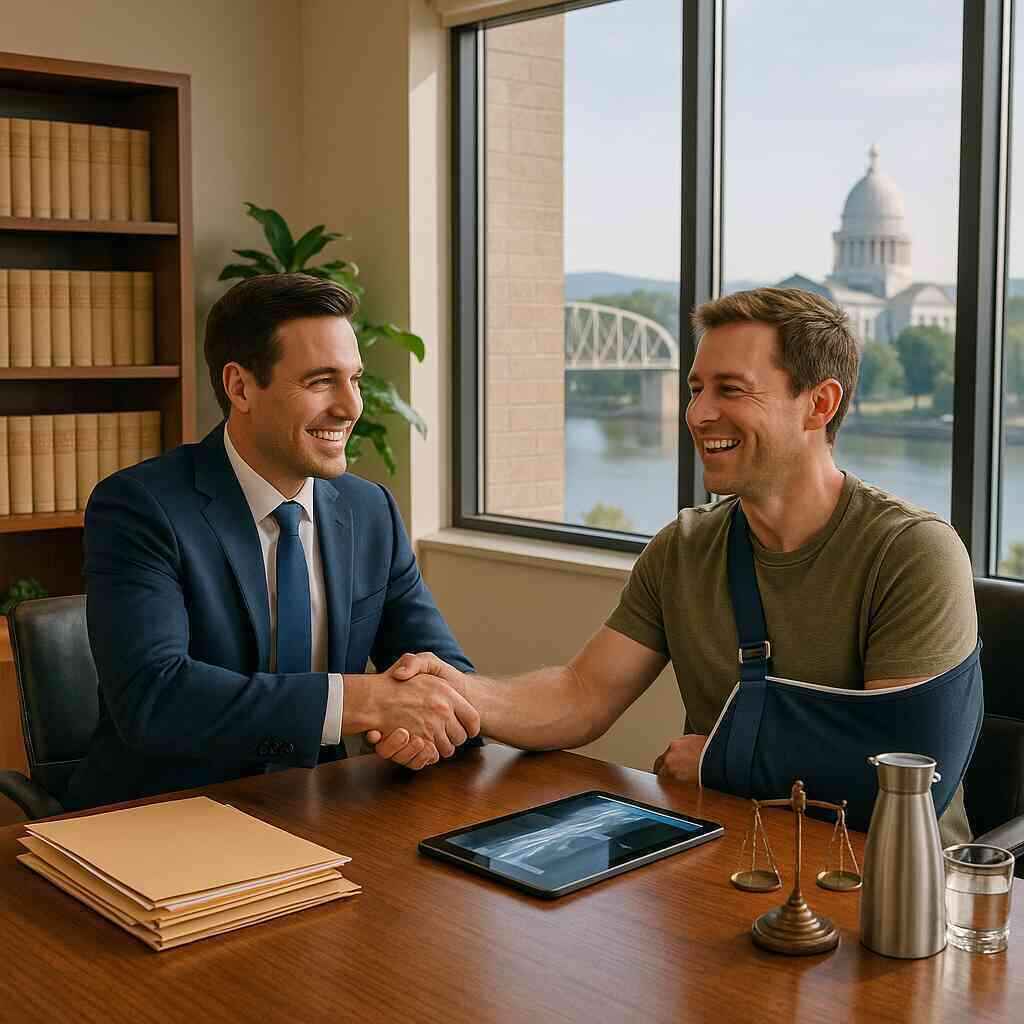
Reclaiming Justice With Personal Injury Law Locator: Next Steps for Arkansans
Crafting an airtight policy limits demand letters
Arkansas carriers rarely volunteer fair figures, so an airtight policy-limits demand letter becomes your first line of offense. Your legal team cites every invoice, therapy note, and diagnostic image to defeat reserve reduction tactics before they begin. Clear deadlines force the insurer to choose: honor the policy limits or face Arkansas insurance bad-faith tactics exposure in court. By outlining punitive damages suppression risks, the letter transforms lowball settlement offers Arkansas adjusters favor into a potential seven-figure liability. This written ultimatum, sent by certified mail, immediately shifts leverage back to the injured party.
A strong demand also anticipates the delay-deny-defend strategy. It references recorded statement pitfalls, independent medical exam bias, and nurse case manager interference, proving the claimant sees through common ploys. When adjusters realize their usual comparative fault manipulation will fail, negotiations often accelerate. Experienced attorneys include draft pleadings to show they are trial-ready, not bluffing. That posture alone can unlock maximum coverage without litigation.
Deploying accident scene experts to defeat comparative fault claims
Even minor factual disputes can slash compensation under Arkansas’s modified comparative negligence rule. Accident reconstruction engineers, therefore, join the legal team early, documenting skid marks, airbag data, and traffic-light sequences. Their detailed models refute insurer-hired specialists who downplay impact velocity or blame weather conditions. This proactive approach dismantles the pre-existing condition blame game by proving the collision’s true force. Precision science replaces speculation, neutralizing soft-tissue injury skepticism.
Photogrammetry specialists and biomechanical analysts add another protective layer. They translate technical findings into jury-friendly graphics that undercut insurer attempts at pain and suffering minimization. When adjusters see such compelling visuals, they rethink arbitration clause enforcement strategies because jurors will likely sympathize with the injured person. The evidence also curbs social media monitoring by insurers; casual photos cannot overrule objective physics. Ultimately, expert collaboration restores the narrative to factual truth rather than insurer spin.
Engaging a personal injury lawyer near you through Personal Injury Law Locator
Technology now levels the playing field against insurance companies with a few taps on your phone. Personal Injury Law Locator’s proprietary matching engine instantly scans experience, verdict history, and geographic reach to pair you with elite counsel. Whether you need a personal injury lawyer Little Rock residents trust or an injury attorney in Mississippi listings for cross-border crashes, the platform delivers options in seconds. Each recommended firm understands adjuster negotiation tricks unique to Arkansas roads, chicken-plant workplaces, and rural hospitals. Immediate representation stops deceptive release forms before they erase your cause of action.
Privacy remains paramount. Encrypted messaging prevents insurers from tracking outreach, and transparent attorney fees eliminate surprises that once discouraged victims from seeking help. The system also highlights previous victories over bodily injury liability caps, reassuring clients that their legal team knows how to pierce artificial ceilings. By signing a retainer quickly, you lock in counsel before crucial evidence disappears. Speed, therefore, becomes a strategic weapon rather than a liability.
Calculating full damages beyond immediate medical bills
Proper valuation extends far beyond emergency-room invoices. Economic experts tally future surgeries, home modifications, and vocational retraining to counter the insurer’s medical bill dispute strategy. Life-care planners project decades of therapy, medication, and assistive technology, converting intangible suffering into precise dollar amounts. This granular approach thwarts pain and suffering minimization because every projected expense rests on medical professional consensus. The resulting spreadsheet leaves little room for subjective cuts.
Non-economic damages receive equal attention. Psychologists quantify emotional distress, sleep disruption, and loss of consortium, anchoring them to recognized diagnostic criteria. That data helps juries-and adjusters-see the human cost behind spreadsheet columns. Attorneys also incorporate mileage to appointments and childcare costs, blocking property damage depreciation claims from overshadowing daily burdens. Comprehensive valuation ensures any civil lawsuit reflects the injury’s full scope, not just medical receipts.
Initiating a personal injury lawsuit when negotiation fails
Sometimes carriers cling to arbitration clause enforcement or stall through endless “internal reviews.” At that point, filing suit becomes inevitable. Your law firm drafts a complaint that catalogs every instance of insurer stonewalling, from staged surveillance investigations to statute of limitations pressure. Alleging Arkansas insurance bad-faith tactics opens the door to punitive damages the company desperately wants to avoid. The summons forces corporate counsel, not just adjusters, to evaluate real exposure.
Litigation triggers court-mandated discovery, granting access to reserve logs and adjuster emails that confirm lowball settlement offers Arkansas claimants routinely face. Depositions of nurse case managers and independent medical exam physicians expose systemic bias. With evidence mounting, defendants often seek mediation on far better terms than pre-suit negotiations allow. Even if the case reaches trial, the detailed record undercuts every defense argument, positioning the injured person for a decisive verdict.
Final rallying call for Arkansas claimants to shift leverage away from insurance companies
Insurance companies rely on isolation, misinformation, and fatigue. By embracing the resources offered by Personal Injury Law Locator, Arkansans replace confusion with knowledge and solitary struggle with a coordinated legal team. Policy-limits demand letters, expert witnesses, and comprehensive damage models collectively dismantle the delay-deny-defend strategy. Each proactive step chips away at the insurer’s economic calculus, making fair settlement the cheapest option for them.
Do not wait until the three-year deadline looms or medical bills reach collection. Act today, secure seasoned counsel, and force carriers to honor every contractual promise. Together, we can transform Arkansas’s insurance landscape from opaque obstruction to transparent accountability. Your physical injuries, emotional distress, and property damage deserve nothing less than full justice. The path starts with a single click toward experienced advocacy and ends with leverage firmly in your hands.
Frequently Asked Questions
Question: How can Personal Injury Law Locator help me overcome Arkansas insurance bad-faith tactics such as reserve reduction and the delay-deny-defend strategy?
Answer: Personal Injury Law Locator instantly connects you with a vetted personal injury lawyer near you who routinely battles Arkansas insurance bad-faith tactics. Your matched legal team monitors every communication, demands disclosure of hidden reserve figures, and issues ten-day demand letters that halt stalling. Because our network spans all 50 states, including dozens of firms focused on personal injury law that Arkansas claimants rely on, we can deploy additional resources-life-care planners, accident reconstruction experts, and medical professionals-to dismantle the delay-deny-defend playbook and push insurers toward fair settlements.
Question: What immediate steps should I take if an adjuster makes lowball settlement offers in Arkansas after my car accident?
Answer: First, decline to sign or verbally accept any offer. Second, preserve every piece of evidence-medical bills, property damage photos, and witness information. Third, tap Personal Injury Law Locator to secure a personal injury attorney near me Arkansas residents recommend. Your lawyer will calculate full damages, counter pain and suffering minimization, and draft policy-limits demand letters that show the insurer its exposure if litigation begins. Acting quickly shifts leverage away from the insurer’s lowball settlement offers Arkansas adjusters favor.
Question: In the blog What are Insurance Company Tactics in Arkansas Revealed you highlight recorded statement pitfalls. Can a Personal Injury Law Locator protect me during this process?
Answer: Absolutely. Adjusters request recorded statements to create comparative fault manipulation opportunities. When you connect through Personal Injury Law Locator, your personal injury lawyer in Little Rock or statewide will either attend the statement with you or advise you to refuse until proper safeguards are in place. The attorney prepares you for insurer questions, ensures the session is fairly transcribed, and blocks inquiries aimed at the pre-existing condition blame game. This guidance preserves the integrity of your personal injury claim and prevents adjusters from twisting your words.
Question: Do Personal Injury Law Locator attorneys know how to fight comparative fault manipulation and soft-tissue injury skepticism used by insurers throughout Arkansas?
Answer: Yes. Our platform screens firms for courtroom success against these exact tactics. Your matched law firm gathers black-box data, intersection footage, and expert biomechanical testimony that proves how the motor vehicle accident truly happened. They also pair treating physicians with neutral specialists to validate soft-tissue injuries, defeating insurer skepticism. By undermining comparative fault arguments, your lawyer preserves maximum compensation even under Arkansas’s modified comparative negligence rule.
Question: Why is filing a policy-limits demand letter through Personal Injury Law Locator critical before the statute of limitations expires in Arkansas?
Answer: Arkansas gives injured people only three years to file a personal injury lawsuit, and insurers use the statute of limitations pressure to delay payment. A properly timed policy-limits demand letter-drafted by a Personal Injury Law Locator attorney-forces the carrier to choose between tendering full limits or facing punitive damages suppression claims in court. The letter stops clock-running tactics, documents bad faith, and often unlocks faster compensation for medical treatment, emotional distress, and property damage. Waiting risks evidence loss and allows arbitration clause enforcement to sideline your jury rights, so acting now preserves your cause of action.