 Posted On: 12/01/2025
Emergence of the Quantum Courtroom
Setting the 2025 personal injury benchmarks
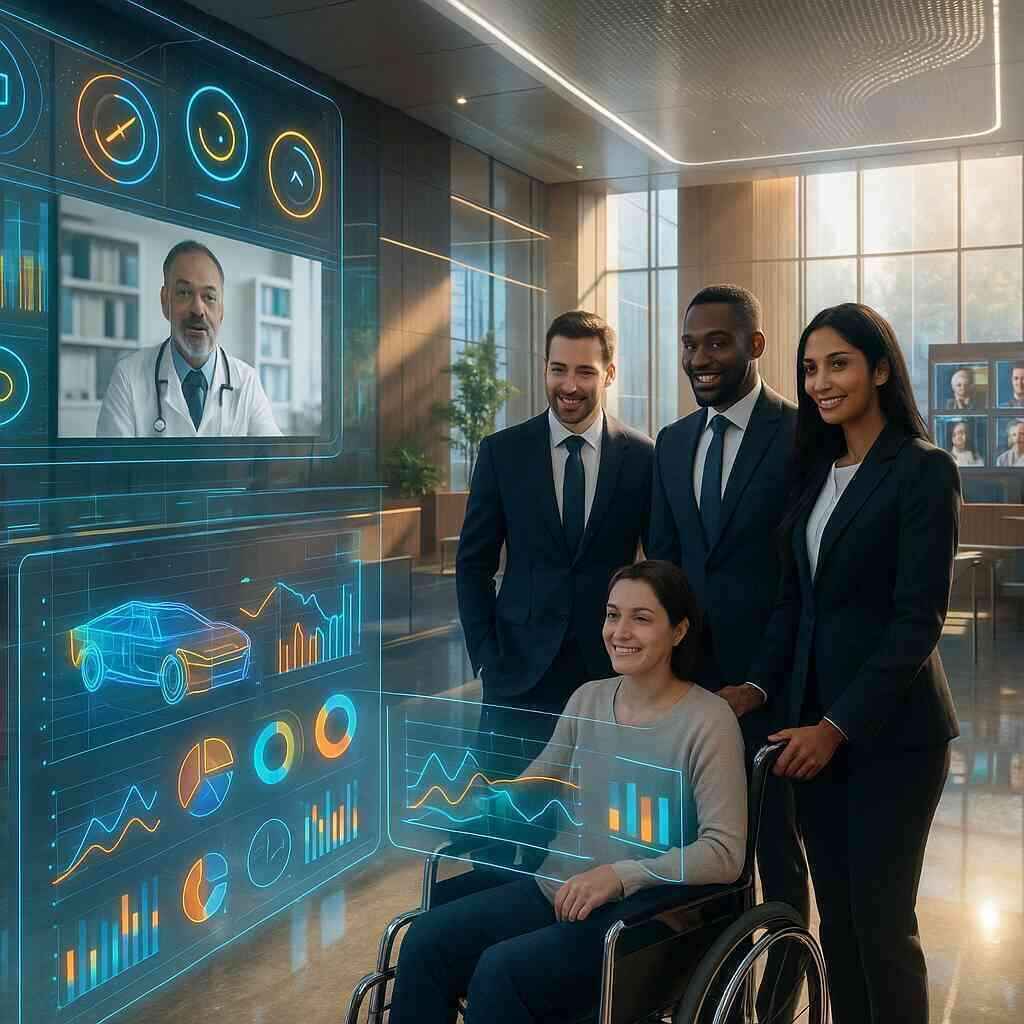
The quantum courtroom emerges as the crucible of modern tort justice in 2025. Judges now expect attorneys to present AI-driven case valuation dashboards before the first scheduling conference. These tools establish objective 2025 personal injury benchmarks that compress discovery timelines and sharpen liability arguments. Personal Injury Law Locator equips every affiliated personal injury lawyer with predictive settlement modeling that updates in real time. Consequently, injured persons gain clarity regarding potential compensation even before medical treatment fully concludes.
Data analytics litigation strategy relies on previously unimaginable data sources harvested from vehicles, phones, and weather satellites. Attorneys correlate pavement temperature, precipitation intensity, and visibility to reconstruct causation within seconds. That sophistication explains why the weather analytics impact on the 2025 claims study became mandatory courthouse reading. Wearable device accident data then validates these atmospheric models, locking down negligence disputes before insurers can obfuscate. The quantum courtroom thus rewards firms that harness injury claim automation without sacrificing evidentiary integrity.
Convergence of Personal Injury Law Locator technology and human advocacy
Powerful algorithms alone cannot persuade juries, so Personal Injury Law Locator fosters synergy between software engineers and seasoned litigators. Each regional office relies on the AI-powered injury locator platform to triage incoming victims within minutes. The portal cross references hospital intake codes with motor vehicle accident reports to assign optimal counsel instantly. Simultaneously, compassionate intake teams explain legal rights in plain English, enhancing the legal empathy quotient long before trial. This balance of empathy and real-time analytics sets a new gold standard for personal injury attorney excellence.
Multilingual chatbots schedule telemedicine medical testimony examinations, while paralegals monitor blockchain evidence authentication dashboards for tamper alerts. Attorneys receive push notifications when insurance companies deploy AI claims denial filters, allowing immediate countermeasure filings. Such vigilance ensures personal injuries receive fair valuation, whether related to car accidents or cybersecurity breach trauma. Because databases span fifty states, cross-border accident guidance for New Jersey seamlessly integrates with multi-state litigation support in Connecticut resources. Collectively, the ecosystem shortens file lifecycles while maximizing compensatory damages across diverse jurisdictions.
Client centric transparency redefining attorney fees and value
Even the most dazzling technology collapses without trust, so Personal Injury Law Locator champions radical clarity on attorney fees. Before representation begins, clients receive itemized projections covering expert witnesses, litigation costs, and potential fee tiers. A dedicated dashboard updates expense forecasts whenever discovery expands or settlement negotiations intensify, preventing unpleasant surprises. Clients can also visit the transparent fee communication on the Contact page to review standardized contingency percentages anytime. This unprecedented openness distinguishes forward-thinking law firms from opaque competitors still guarding hourly rate mysteries.
Moreover, third-party litigation funding ethics are disclosed upfront, including interest rates and repayment hierarchy after a verdict. Financial transparency empowers the injured party to choose equitable recovery strategies in Pennsylvania or elsewhere with confidence. Because value extends beyond money, counselors document mental health damages valuation processes in plain language. They also outline ESG compliance practices, reassuring eco-conscious plaintiffs that their cause of action aligns with sustainability. Ultimately, the quantum courtroom rewards honest storytellers backed by bulletproof numbers, not secretive billing structures.
Core Dimensions of Personal Injury Law Excellence
AI-driven case valuation and predictive settlement modeling mastery
Personal Injury Law Locator treats AI-driven case valuation as the heartbeat of modern advocacy. Sophisticated dashboards merge historical verdict data with live 2025 personal injury benchmarks, forecasting recovery bands in seconds. Attorneys adjust strategies instantly because predictive settlement modeling recalculates whenever fresh medical bills or property damage estimates appear. That speed benefits every injured person by shrinking negotiation windows and exposing lowball tactics from any insurance company. Consequently, law firms using this methodology close files faster while still maximizing compensatory damages.
The platform’s injury claim automation engine layers data analytics and litigation strategy onto those projections. It considers the type of injury, probable comparative negligence percentages, and venue reputation. If algorithms flag volatility-perhaps a new federal tort reform update-lawyers receive immediate alerts. They can then seek alternative dispute venues or initiate specialized mediation before discovery balloons. This proactive cycle demonstrates true client-centric law tech that courts increasingly applaud.
Blockchain evidence authentication and cybersecurity breach injury claims
Traditional chain-of-custody logs strain under digital evidence volumes. Personal Injury Law Locator now embeds blockchain evidence authentication directly into its file architecture. Every photograph, dash-cam frame, or electronic health record receives a unique cryptographic hash at upload. Judges therefore trust that no ulterior edits compromise authenticity, which undercuts common defense objections. Clients gain confidence because each evidentiary fragment remains tamper-proof for the lawsuit’s entire lifespan.
Cybersecurity breach personal injury cases surged after remote work expanded attack surfaces. Victims often suffer emotional distress, identity theft costs, and lingering medical treatment anxiety. Using the same immutable ledger, attorneys map intrusion timelines, establishing causation between negligent security protocols and physical injuries like stress-induced heart events. Parallel civil cases against lax vendors proceed without technical bottlenecks. This streamlined process positions claimants for equitable damage caps tailored to evolving digital harms.
Telemedicine medical testimony and regenerative medicine damages assessment
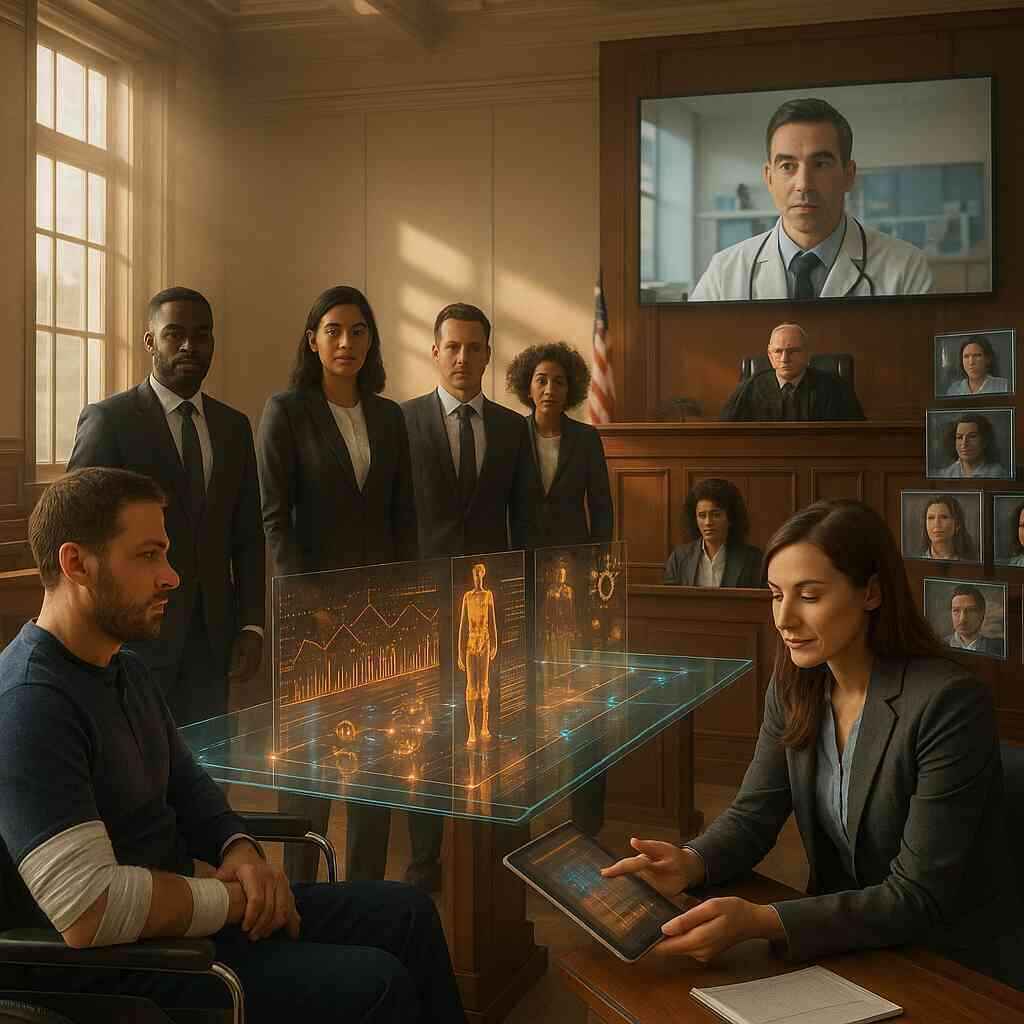
Pandemic-era telehealth acceptance permanently reshaped expert testimony logistics. Telemedicine medical testimony lets orthopedic surgeons analyze imaging during live depositions, eliminating travel delays. The system captures high-definition video, timestamps interactions, and archives transcripts on encrypted servers. Juries appreciate seeing real doctors, not rehearsed soundbites, explaining physical injury mechanics in accessible language. Such clarity improves settlement posture because defendants recognize jurors now comprehend the full scope of harm.
Regenerative medicine treatments introduce complex future-care calculations. Stem-cell therapies, exoskeleton rehab, and neuroplasticity programs carry uncertain price curves. Personal Injury Law Locator therefore maintains a dynamic regenerative medicine damages database updated monthly with global clinical trial outcomes. Lawyers present these figures to justify structured settlement escalators indexed to therapy milestones. Insurers resist less once objective actuarial tables support projected costs.
Wearable device accident data and biometric privacy litigation strategy
Smartwatches and fitness trackers silently record acceleration, heart rate, and GPS data every second. Wearable device accident data now proves impact forces in motor vehicle accident disputes faster than traditional accident reconstruction. Attorneys overlay bio-telemetry on pavement temperature and traffic flow metrics, forming compelling negligence narratives. Defendants rarely rebut synchronized multi-source evidence, so liability often becomes uncontested. Consequently, mediation focuses on calculating compensatory damages rather than arguing fault.
Yet biometric privacy rights remain paramount. Personal Injury Law Locator coaches clients on consent protocols before extracting datasets. The firm’s litigators also pursue biometric data privacy injury claims when corporations misuse or leak sensitive metrics. Integrating privacy damages with physical injuries amplifies overall recovery potential. This dual strategy bolsters the legal empathy quotient while signaling respect for civil liberties.
ESG compliance, eco-conscious injury law and equitable damage caps
Environmental, Social, and Governance mandates filter into courtroom rhetoric. Eco-conscious injury law requires attorneys to show how proposed remedies align with sustainability principles. Personal Injury Law Locator’s ESG compliance module tracks carbon footprints of expert travel, court filings, and settlement structures. Presenting greener litigation plans can sway socially aware jurors, especially in wildfire smoke inhalation or toxic spill suits. Moreover, judges increasingly reward resource-efficient practices with accelerated scheduling orders.
Equitable damage caps must harmonize victim restitution with broader societal resilience. Attorneys analyze local economic indices, community health burdens, and insurer solvency metrics before recommending settlement brackets. When ESG factors suggest community rehabilitation funds, lawyers allocate portions of verdicts toward environmental restoration. Plaintiffs still receive full personal injury compensation, but settlements also repair ecological harm. That integrative viewpoint defines forward-looking excellence.
Multistate attorney networks for cross border injury claims and rideshare autonomous vehicle disputes
Interstate crashes once forced victims to juggle conflicting statutes. Personal Injury Law Locator solves that through robust multistate attorney networks coordinated by centralized analytics. Machine learning tools flag jurisdictional quirks, such as guest statute nuances or punitive damage limitations. Local counsel then harmonizes pleadings, ensuring deadlines never lapse across state lines. Claimants experience seamless service even when accidents span several highways.
Autonomous vehicle and rideshare injury litigation compounds complexity. Each autonomous driving software update alters potential negligence thresholds. The firm’s knowledge base tracks recalls, regulatory bulletins, and telematics performance anomalies in real time. Attorneys swiftly file spoliation letters before proprietary data vanishes into cloud archives. Consequently, riders injured by algorithmic glitches secure evidence parity with deep-pocket manufacturers. A recent win showcased these tactics and earned accolades for national injury attorney directory insights.
Third party litigation funding ethics and insurance AI claims denial countermeasures
Rising medical costs pressure injured parties to seek capital before judgment. Personal Injury Law Locator vets third-party litigation funding offers for transparent fees, balanced repayment schedules, and patient credit impacts. Ethical screens reject agreements that could compromise attorney independence or coerce premature settlements. Clients review easy-to-read comparables, preserving autonomy throughout the legal process. Such diligence reinforces trust and complies with evolving bar opinions.
Meanwhile, insurers deploy machine algorithms to deny or underpay claims within milliseconds. The firm’s engineers reverse-engineer those models, identifying biased decision rules. When the system flags an unjustifiable rejection, attorneys trigger automated bad-faith notices citing specific regulatory violations. Many carriers capitulate quickly to avoid a precedent that could weaken future defense playbooks. This relentless vigilance turns insurance AI claims denial into another avenue for prompt client restitution.
Navigating the Next Frontier of Personal Injury Advocacy
Cultivating the legal empathy quotient in a data analytics era
Personal Injury Law Locator teaches every personal injury lawyer that numbers alone never heal an injured person. Even the most advanced AI-driven case valuation dashboard needs genuine compassion guiding its interpretation. Attorneys therefore practice active listening drills before presenting predictive settlement modeling outputs to clients. This intentional empathy training distinguishes our legal team from purely technical rivals, especially during emotionally charged wrongful death conferences. The approach mirrors the human-centered mindset behind cutting-edge claim advocacy in New York, where transparent storytelling consistently secures higher verdicts.
Data analytics litigation strategy still strengthens empathy when used responsibly. Counsel shows plaintiffs side-by-side charts mapping physical injuries, emotional distress scores, and projected medical bills across time. These visuals normalize complex information, reducing anxiety about the civil lawsuit journey. Clients see precise attorney fees alongside probable recovery windows, which elevates trust and reinforces a client-centric law tech culture. Ultimately, empathy powered by clarity converts frightened victims into informed partners who co-author persuasive narratives for settlement or trial.
Future proofing practice against evolving federal tort reform and post pandemic trends
Federal policy shifts can narrow damage windows overnight, so our attorneys track Capitol Hill bulletins hourly. A specialized team collaborates with federal capital injury counsel in the District of Columbia to forecast statute amendments months before enactment. When alerts signal a change, predictive settlement models recalculate equitable damage caps instantly, protecting every injured party from legislative surprise. Post-pandemic court backlogs also demand agility, because virtual hearings accelerate some dockets while delaying others. By blending legal foresight with injury claim automation, firms safeguard claimants’ rights regardless of venue volatility.
Societal health trends influence liability doctrines too. Long-COVID complications, mental health damages valuation, and opioid negligence lawsuits reshape compensatory frameworks. Attorneys continuously study emerging case law and compare performance against success metrics for injury practice in Autumn 2025. This benchmarking ensures settlement demands cover regenerative medicine damages and future telemedicine expenses. Robust scenario planning also guides negotiation deadlines, preventing insurers from exploiting evolving federal tort reform uncertainty. The result is future-proof legal representation that anticipates, rather than merely reacts to, systemic shocks.
Building an inclusive, accessible courtroom ecosystem through virtual jury selection and social media liability evidence
Equity demands that courtrooms welcome every voice, including jurors who cannot travel due to disability or work constraints. Virtual jury selection platforms now incorporate speech-to-text captions, multilingual interfaces, and ergonomic color schemes. Personal Injury Law Locator configures these tools during pre-trial to guarantee ADA compliance and widen community representation. Such inclusivity increases juror engagement, ultimately strengthening verdict legitimacy. Recent cases show that remote panels paired with intelligent settlement boosts in Oklahoma prompt faster, fairer resolutions.
Social media liability evidence further underpins this accessible ecosystem. Attorneys mine posts, stories, and deleted metadata to reveal negligent behavior and contradict insurance company defenses. Clear chain-of-custody logs, built on blockchain evidence authentication, preserve admissibility even when comparative negligence principles apply. Virtual break-out rooms let jurors review clips with real-time transcripts, minimizing confusion about digital context. By merging equitable tech design with rigorous evidentiary standards, Personal Injury Law Locator propels personal injury law into an inclusive, transparent future.
Frequently Asked Questions
Question: How does Personal Injury Law Locator define personal injury law excellence in 2025?
Answer: Excellence now means combining AI-driven case valuation with genuine legal empathy. Our predictive settlement modeling benchmarks every personal injury claim against 2025 personal injury benchmarks the moment you upload medical bills or property damage estimates. We then overlay data analytics litigation strategy-everything from wearable device accident data to blockchain evidence authentication-so the injured party receives a fact-driven, emotionally resonant narrative that insurers respect and juries trust.
Question: What makes your AI-driven case valuation and injury claim automation more reliable than an insurance company’s offer?
Answer: Insurance AI claims denial tools are designed to save carriers money; our platform is designed to maximize your compensatory damages. By merging real-time hospital intake codes, motor vehicle accident reports, and regenerative medicine damages projections, Personal Injury Law Locator’s dashboards predict fair settlement ranges within minutes. Clients monitor every update on a transparent, client-centric law tech portal, so you always know whether an insurer’s number is too low.
Question: Can Personal Injury Law Locator handle cross-border injury claims and multistate litigation if my car accident happened near a state line?
Answer: Absolutely. Our multistate attorney networks span all 50 states and automatically flag venue-specific statutes, such as punitive damage caps or comparative negligence thresholds. Whether you need cross-border accident guidance for New Jersey or multi-state litigation support in Connecticut, our personal injury lawyers coordinate filings, discovery, and virtual jury selection to keep your case on track.
Question: How do blockchain evidence authentication and cybersecurity breach personal injury strategies protect my case?
Answer: Every dash-cam clip, social media post, or telemedicine medical testimony file you share is hashed and time-stamped on an immutable ledger. This prevents tampering and silences defense objections about altered evidence. If a cybersecurity breach caused your physical injury or emotional distress, we map attack timelines on the same blockchain, proving causation and securing equitable damage caps tailored to digital harms.
Question: What transparency can I expect regarding attorney fees, third-party litigation funding ethics, and ESG compliance?
Answer: Before you sign, you receive an itemized projection of attorney fees, expert costs, and potential third-party litigation funding terms-no surprises. Our dashboards update whenever expenses shift, and we disclose ESG compliance metrics like carbon footprints for expert travel. By aligning financial clarity with eco-conscious injury law practices, Personal Injury Law Locator earns your trust while strengthening your personal injury lawsuit.