 Posted On: 12/27/2025
Prelude Tomorrows Claims Landscape Unveiled
From PIP Caps to Parametric Payouts: Why the Shift Matters
New Jersey motorists once obsessed about their Personal Injury Protection deductibles now overhear coffee-shop chatter about parametric storm triggers. The conversation signals how quickly PIP coverage caps are converging with satellite-measured hurricane thresholds. Under the pending no-fault reform New Jersey lawmakers debate, a driver’s medical bills could be reimbursed automatically when barometric pressure falls below a preset index. Such parametric insurance payouts promise speed, yet they shift risk calculations away from fault and toward data science. Understanding that pivot matters because injured persons may face faster checks but narrower opportunities to recover emotional distress or property damage.
Traditional carriers once relied on adjusters evaluating torn bumpers after motor vehicle accidents. Tomorrow, drones will document impact angles while predictive analytics flag possible fraud. Rapid settlements sound beneficial, yet hurricane damage disputes illustrate the trade-off. When sensors confirm wind speed, insurers may deny claims for flooding, citing separate perils. A prepared legal team must distinguish between micro-mobility accident claims and large-scale climate risk property claims to ensure holistic compensation.
How Personal Injury Law Locator Tracks Emerging Insurance Trends
At the center of this evolving marketplace stands the Personal Injury Law Locator homepage for future NJ claims. The platform aggregates court filings, regulatory updates, and carrier policy revisions, translating dense data into actionable insights for every injured party. By monitoring blockchain claim verification pilots and AI-driven claim adjusters, it alerts consumers before new coverage gaps appear. Its directory matches clients with attorneys ready to contest insurance bad faith trends whenever remote claim filing apps malfunction. This proactive intelligence helps New Jersey residents understand whether a telematics-based auto policy truly lowers premiums or simply narrows their cause of action after a crash.
Beyond real-time alerts, Personal Injury Law Locator compiles comparative analytics on gig economy worker coverage, autonomous vehicle liability frameworks, and cyber breach liability coverage. Users can filter results by type of injury or property damage and instantly locate a personal injury lawyer near them. The tool even flags extended statute of limitations proposals that could rescue otherwise time-barred claims. For insurers, these dashboards illuminate consumer pain points, enabling ethical deployments of predictive analytics fraud detection without triggering regulatory backlash. In short, the platform functions as both watchdog and guide through the labyrinthine legal process.
The New Jersey Consumer in an Era of Hyper Personalized Coverage
Hyper-personalized coverage sounds empowering, yet it demands unprecedented data sharing from every injured person. Telematics-based auto policies monitor speed, braking, and location, producing personalized premium algorithms that ebb and flow weekly. Smart home sensors log humidity and door entries, feeding insurers minute-by-minute risk scores. Such transparency accelerates settlements for physical injuries but raises privacy concerns, especially when post-accident data sharing laws remain in flux. Consumers must weigh lower rates against potential evidence that might later undermine a personal injury claim.
Fortunately, remote claim filing apps and virtual medical evaluations help accident victims obtain prompt medical treatment and documentation. A bicyclist struck by a ride-share vehicle can upload photos, secure a video appointment with medical professionals, and receive interim payments within hours. Still, without counsel, subtle emotional distress or mental health injury claims may be undervalued by AI-driven claim adjusters focused on quantifiable metrics. By collaborating early with a legal team familiar with personalized premium algorithms, New Jersey residents can transform digital evidence preservation into leverage, ensuring fair valuation for both visible and hidden harms.
Digital Frontiers Transforming Filing and Verification
Telematics Based Auto Policies and Personalized Premium Algorithms
Telematics-based auto policies now record every mile, brake, and corner, converting raw behavior into personalized premium algorithms. Insurers praise the fairness, yet an injured person may see surveillance redefine fault after a motor vehicle accident. Because telematics devices often belong to the insurance company, chain-of-custody disputes can complicate a personal injury claim. Therefore, early legal guidance remains critical, and resources like the Directory to find injury lawyers nationwide help drivers secure counsel before data is lost. Proactive representation ensures telematics evidence supports, rather than undermines, a rightful cause of action.
Claim portals increasingly update premiums weekly, rewarding cautious drivers while penalizing sudden acceleration. However, algorithmic opacity makes error correction difficult when software misreads a hard brake needed to avoid a pedestrian. A skilled personal injury attorney can subpoena raw sensor files and cross-examine data scientists regarding calibration. Furthermore, policyholders must preserve dashboard downloads immediately after a collision, because some carriers overwrite historic traces within days. Vigilance over these dynamic records prevents negligent data deletion from erasing proof of liability.
AI Driven Claim Adjusters with Predictive Analytics Fraud Detection
Artificial intelligence now triages thousands of medical bills in seconds, flagging patterns that deviate from predictive analytics fraud detection models. While efficiency reduces overhead, it also empowers insurance companies to deny or downscale legitimate injuries without human review. Consequently, an injured party may experience swift rejection based on demographic risk scores rather than clinical reality. Experienced personal injury lawyers challenge such denials by demanding the algorithm’s decision tree and bias audit. Courts increasingly recognize that opaque coding can violate due-process rights in civil cases.
Even when AI approves a claim, it may undervalue emotional distress because sentiment rarely fits numerical tables. Attorneys rebut lowball offers by presenting detailed mental health evaluations and demonstrating comparable verdicts in similar civil lawsuits. Moreover, wrongful death beneficiaries can expose algorithmic blind spots that underestimate future income loss. Strategic litigation educates judges about the limitations of AI-driven claim adjusters and pushes carriers toward transparent settlement explanations. Over time, judicial scrutiny encourages fairer machine-learning practices industry-wide.
Blockchain Claim Verification and Immutable Digital Evidence Preservation
Blockchain claim verification introduces tamper-proof ledgers that timestamp every document, photo, and medical record. This immutable framework deters post-accident alterations, shielding injured persons from accusations of evidence spoliation. Yet defendants may exploit technical jargon to intimidate plaintiffs unfamiliar with decentralized storage mechanics. Personal injury attorneys counter by hiring digital forensics experts who translate cryptographic hashes into plain-English authenticity proofs. Demonstrating chain integrity often persuades adjusters to settle before trial.
However, blockchain immutability cuts both ways; once inaccurate data enters the ledger, corrections become cumbersome. A mistaken entry labeling a fracture as a sprain could haunt a personal injury lawsuit. Therefore, victims must review every upload carefully during the remote claim filing process. Legal teams should institute double-signoff protocols to catch coding errors early. Thoughtful governance around blockchain entries preserves the evidentiary value while avoiding irrevocable misstatements.
Remote Claim Filing Apps and Rapid Settlement Platforms
Remote claim filing apps allow an injured person to photograph property damage, upload medical treatment receipts, and receive provisional payments within hours. Speed offers relief, yet it invites pressure to accept settlements before full injury symptoms appear. For example, traumatic brain injuries often manifest cognitive issues weeks after a motor vehicle accident. Accepting early payment may waive future compensation for hidden harms. A prudent personal injury lawyer negotiates interim disbursements while preserving the right to reopen claims.
Rapid settlement platforms also use gamified dashboards showing “percentage complete” progress bars, encouraging quick clicks over thoughtful review. Consumers must remember that final acceptance ends most legal remedies except for rare bad faith scenarios. Attorneys insist on detailed settlement releases that exclude future medical malpractice claims if complications arise. Additionally, remote apps should include accessible language settings and disability accommodations to avoid discriminatory barriers. Proper platform design supports equitable outcomes while harnessing technology’s convenience.
Virtual Medical Evaluations Expanding Access to Care and Compensation
Virtual medical evaluations connect injured parties with board-certified medical professionals through secure video links, accelerating documentation of physical injuries. Rural residents or those with mobility challenges benefit greatly from telehealth examinations following truck accidents or workplace injury incidents. Properly recorded tele-exams create contemporaneous records that bolster credibility during negotiations with insurers. Yet insurers sometimes dispute remote diagnoses, arguing that limited palpation impairs accuracy. Lawyers counter by supplementing telehealth notes with imaging studies and in-person follow-ups when feasible.
Besides physical assessments, virtual platforms facilitate mental health consultations that validate emotional distress claims often ignored by algorithmic adjusters. Timely therapy sessions document anxiety, sleep disorders, and post-traumatic stress, converting intangible suffering into recognized damages. Moreover, telemedicine reduces out-of-pocket travel costs, helping plaintiffs manage financial strain while litigation progresses. Insurers gain standardized data feeds that expedite claim review, creating mutual incentives for broader adoption. However, all parties must protect patient privacy under evolving post-accident data sharing laws in New Jersey.
 Shifting Risk Paradigms Across Roads Homes and Bytes
 Shifting Risk Paradigms Across Roads Homes and Bytes
Autonomous Vehicle Liability and Ride Share Accident Coverage Gaps
Autonomous cars already glide along Jersey Shore highways, yet liability allocation remains foggy when sensors misinterpret a fog bank. Traditional insurers argue that software, not drivers, shoulders fault, while ride-share firms insist that human “safety operators” should intervene sooner. These debates leave an injured party juggling multiple policy numbers before medical bills even arrive. Personal Injury Law Locator spotlights this overlap, guiding motorists toward tailored personal injury law strategies that preserve every possible cause of action. A proactive claim preserves telematics logs, dash-cam footage, and maintenance patches that pinpoint the precise glitch.
Ride-share contracts further complicate matters because many exclude coverage when the app is “off,” locking passengers into gray zones. Victims often learn of these exclusions only after physical injuries materialize, amplifying emotional distress. Consulting New Jersey personal injury attorneys near you immediately helps clarify overlapping PIP coverage caps and ride-share gap insurance. Early counsel also pressures platforms to release internal incident reports before digital evidence disappears. With that data in hand, an injured person can pursue a personal injury lawsuit that mirrors evolving no-fault reform New Jersey legislators propose.
Autonomous truck fleets present an even broader threat corridor because cargo schedules incentivize aggressive programming. When an eighteen-wheeler’s lidar fails to detect a stalled sedan, wrongful death claims quickly escalate. Plaintiffs must untangle manufacturer warranties, software update disclosures, and driver training logs. Personal Injury Law Locator recruits multidisciplinary experts who decode algorithmic choices and quantify future income loss with predictive analytics. This multidimensional approach turns complex civil cases into enforceable settlements rather than endless litigation.
Micro Mobility and Drone Damage Claims Rewriting Urban Risk Maps
E-scooters whiz between office towers, and delivery drones buzz above suburban lawns, redrawing risk maps overnight. Municipal codes lag behind, leaving injured pedestrians guessing whether home or auto policies will pay for knee surgeries. Because micro-mobility accident claims frequently involve shared infrastructure, multiple defendants raise comparative negligence defenses. Policyholders and insurers alike now study Comparing modern insurance claim tactics to benchmark settlement ranges. These insights help both sides evaluate whether blockchain claim verification or drone-captured collision angles best document liability.
Drones fall or drop packages, damaging vehicles and causing concussions. When pilots operate remotely from other states, jurisdictional puzzles blossom. Plaintiffs may file civil lawsuits in New Jersey courts while defendants argue for federal preemption under aviation statutes. Personal Injury Law Locator tracks these motions, ensuring venue choices maximize recovery for property damage and emotional distress alike. The directory quickly aligns victims with a personal injury attorney who understands both aviation regulations and local premises liability precedents.
Climate Risk Property Claims from Hurricanes to Sustainable Rebuilding Incentives
Rising sea levels push hurricane damage disputes inland, forcing insurers to clarify whether storm surge counts as flood or wind. Parametric insurance payouts promise quick relief once satellite data registers certain wind speeds, yet they rarely cover subsequent mold remediation. Homeowners confronting climate risk property claims must therefore supplement automatic payments with traditional lawsuits. Personal Injury Law Locator pairs clients with law firms versed in sustainable rebuilding incentives that reduce out-of-pocket reconstruction costs. Thorough documentation of structural engineering reports prevents carriers from undervaluing long-term physical injuries, such as respiratory issues caused by post-storm toxins.
Legislators are exploring tax credits for green materials, yet insurers sometimes balk at higher replacement costs. A skilled legal team uses those policy debates to negotiate equitable settlements before trial. Plaintiffs gain leverage by referencing recent jury verdicts that include future-proof design expenses. Meanwhile, insurers mitigate exposure by transparently disclosing premium adjustments tied to predictive analytics fraud detection models. Both sides move toward smarter, faster resolutions that keep communities resilient.
Cyber Breach Liability Coverage and Smart Home Sensor Evidence
Smart thermostats, door cams, and leak detectors turn every residence into a data-rich evidence vault. When hackers override those devices, cyber breach liability coverage can reimburse data restoration costs, but physical injury claims add complexity. A disabled alarm may enable burglars who inflict bodily harm, triggering overlapping personal injury and property clauses. Insurers increasingly demand raw sensor logs to authenticate timelines, yet homeowners fear privacy erosion. Personal Injury Law Locator advises clients on selective disclosure that balances compensation with civil liberties.
Defense counsel routinely cite decades-old negligence doctrines, but courts now expand duty analyses to include cybersecurity safeguards. Understanding the Negligence theory underpinning liability clarifies how smart device failures convert into compensable breaches of duty. Plaintiffs strengthen cases by presenting expert testimony explaining firmware vulnerabilities that reasonable manufacturers would have patched. Such arguments persuade juries that modern homes require digital locks as standard safety measures, much like smoke detectors. Consequently, settlements inch upward to reflect the new normal of interconnected risks.
Gig Economy Worker Coverage and Evolving Insurance Bad Faith Trends
Delivery cyclists, freelance coders, and home-care aides propel New Jersey’s gig economy, yet many remain underinsured. Platform operators often label workers as independent contractors to sidestep workers’ compensation obligations. When a motor vehicle accident sidelines a courier, medical bills mount quickly while policy exclusions emerge. Personal Injury Law Locator catalogs every available micro-policy, from occupational accident plans to supplemental health riders, helping injured persons secure interim payments without forfeiting legal rights.
Insurance bad faith trends now surface when carriers delay approvals, hoping financially strained gig workers will accept lowball offers. Claimants combat these tactics by gathering timestamped chat transcripts, app screenshots, and AI-generated denial letters. They can then contact the Personal Injury Law Locator team online to match with attorneys skilled in punitive damage strategies. Prompt filings deter further misconduct and often unlock attorney fees, transforming individual disputes into systemic reforms. Ultimately, vigilant documentation and expert guidance ensure that gig workers obtain fair compensation for both visible and hidden harms.
Legal Faultlines: New Jersey Statutes and Emerging Challenges
No Fault Reform Debates and Extended Statute of Limitations Proposals
New Jersey lawmakers continually revisit no-fault reform New Jersey drivers once considered final. Proposed bills lower PIP coverage caps while promising smaller premiums. Critics warn that reduced caps shift medical bills onto the injured person and public programs. Simultaneously, extended statute of limitations proposals seek to balance the equation by granting victims extra filing time. The legislative tug-of-war creates uncertainty for every personal injury claim moving through state courts.
Personal Injury Law Locator tracks each committee vote and instantly alerts subscribers. That foresight lets a legal team adapt pleadings before deadlines shift. Our analytics show that longer filing windows encourage comprehensive investigations and stronger evidence preservation. They also reduce rushed settlements that undervalue emotional distress and mental health injury claims. Explore how the platform is Enhancing New Jersey settlements with tech tools to remain ahead of sudden statutory changes.
Post Accident Data Sharing Laws and Insurtech Regulation in New Jersey
Insurtech regulation in New Jersey now intersects with stringent post-accident data sharing laws. Telematics-based auto policies must disclose retention periods, encryption standards, and consumer opt-outs. Victims gain leverage when they know exactly which driving metrics insurers store. You can monitor emerging mandates by visiting our regularly updated hub and Browse blog on evolving insurance claims. Staying informed prevents carriers from deleting crucial collision files under the guise of privacy.
Remote claim filing apps further complicate compliance because they collect photos, GPS tags, and medical treatment receipts. Regulators insist that platforms purge unnecessary details, yet defense lawyers crave limitless metadata. Personal Injury Law Locator counsels clients to request audit logs immediately after a motor vehicle accident. That step documents who accessed which records and when. Clear audit trails deter insurance bad faith trends rooted in hidden algorithmic tweaks.
PIP Coverage Caps Facing Hurricane Damage Disputes and Property Loss
Rising sea levels move hurricane damage disputes beyond coastal towns and into inland suburbs. PIP coverage caps designed for car collisions now collide with flood-induced injuries suffered while evacuating. Claimants must decide whether to file under auto, homeowners, or emerging climate risk property claims. Overlapping deductibles complicate the recovery of medical bills and property damage alike. Skilled counsel separates wind, surge, and debris impacts to maximize compensation.
Courts evaluating storm trauma also weigh sustainable rebuilding incentives against carrier pushback. Plaintiffs bolster cases by documenting mold exposure, respiratory distress, and structural decay. Judges then examine the Legal concept of damages in lawsuits to quantify future remediation costs. Personal Injury Law Locator’s database of verdicts helps attorneys benchmark fair awards. That resource persuades insurers to settle before juries see sobering expert testimony.
Parametric Insurance Payouts Converging with Wrongful Death Actions
Parametric insurance payouts promise rapid relief once satellite sensors verify wind speed or rainfall thresholds. Survivors enjoy quick checks, yet money arrives without examining individualized loss. When fatalities occur, standardized payments rarely cover lost income, companionship, or funeral expenses. Attorneys must therefore blend parametric proceeds with wrongful death actions rooted in negligence. Our insights on weather litigation trends, including Predicting weather impact on 2025 injury claims, reveal optimal filing strategies.
Defendants sometimes argue that parametric payments offset all liability, but courts disagree. Judges treat those sums as partial compensation only. A comprehensive lawsuit still examines driver fault, employer negligence, or product defects. Personal Injury Law Locator supplies economists who calculate lifetime earnings, ensuring families receive full value. Meticulous pleadings prevent insurers from hiding behind automated triggers.
Courtroom Adoption of Predictive Analytics to Assess Personal Injuries
New Jersey judges now permit predictive analytics to estimate recovery timelines and future medical costs. Plaintiffs gain an evidentiary boost when transparent models support their prognosis. Defense counsel counters by questioning algorithmic bias and data sampling methods. Personal Injury Law Locator partners with experts committed to setting standards in NJ injury law future. Together, they prepare Daubert-ready reports that survive rigorous cross-examination.
As courts embrace data science, statewide consistency improves. Verdict disparities shrink because numbers replace speculation. Yet national benchmarks still matter for high-stakes civil cases involving spinal cord trauma or catastrophic burns. Attorneys consult our Master guide to injury laws across the United States to contextualize New Jersey outcomes. Harmonized strategies ensure local plaintiffs secure awards parallel to peers across the country.
Path Forward: Strategic Moves for Injured Parties and Insurers
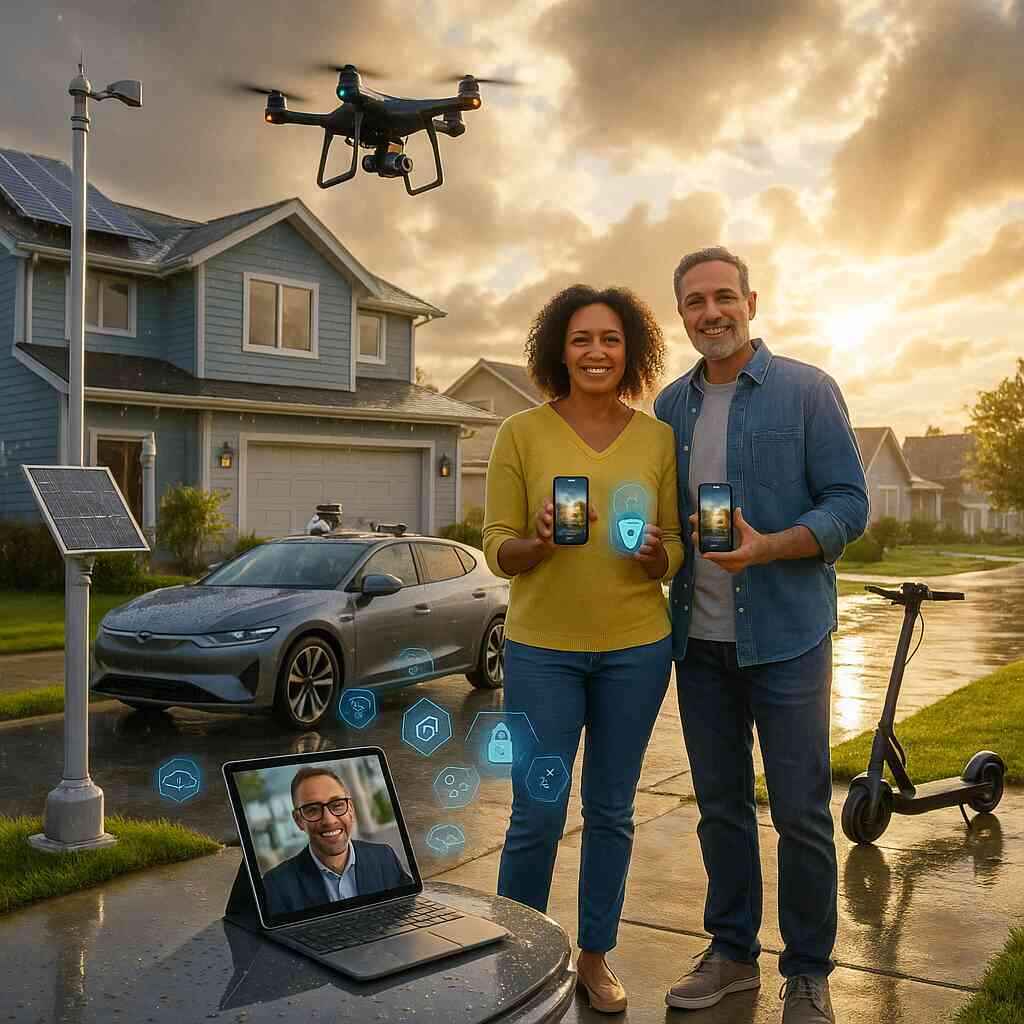 Path Forward: Strategic Moves for Injured Parties and Insurers
Building a Proactive Legal Team through Personal Injury Law Locator
Personal Injury Law Locator empowers every injured person to locate a personal injury lawyer near you before evidence fades. The platform filters attorneys by type of injury, whether motorcycle accidents, nursing home abuse, or workplace injury. Because time limits vary, it highlights statute deadlines and connects users with personal injury lawyers in the state of New Jersey who already track no-fault reform proposals. Early engagement builds a legal team that preserves telematics data, hospital records, and witness statements, turning potential weaknesses into leverage. Those first strategic hours often determine whether medical bills become crippling debt or reimbursed expenses.
Law firms also benefit from platform analytics that reveal emerging insurance bad faith trends. Practitioners can instantly Add your law firm listing for digital claims era and showcase experience in wrongful death or medical malpractice litigation. Visibility attracts complex civil cases where attorney fees hinge on optimal verdicts instead of quick settlements. In turn, clients gain broader choices and transparent reviews, ensuring representation aligns with their emotional distress and property damage concerns. This ecosystem promotes higher professional standards and faster claim resolutions.
Best Practices for Injured Parties Gathering Digital Proof for Physical Injury Claims
Accident scenes now brim with smartphones, dashcams, and smart home sensors that document physical injuries. Claimants should photograph every angle, capture nearby signage, and record ambient conditions like rain or glare. Immediately uploading those files to cloud storage prevents later disputes over authenticity and meets digital evidence preservation standards. Personal Injury Law Locator’s resource library explains how metadata, such as GPS stamps, strengthens a cause of action against a reluctant insurance company.
Collecting medical treatment records promptly remains equally critical. Schedule virtual medical evaluations as soon as symptoms develop, even if pain seems minor. Hidden spinal damage can worsen, turning a small personal injury claim into lifelong therapy. By maintaining an organized folder of imaging studies, prescriptions, and therapy notes, the injured party arms their personal injury attorney with irrefutable proof. Comprehensive documentation discourages AI-driven claim adjusters from undervaluing legitimate injuries.
Insurer Strategies for Ethical and Transparent AI Use
Insurance companies wield predictive analytics fraud detection to streamline claim decisions, yet transparency sustains customer trust. Carriers should publish plain-language summaries of algorithm inputs, clarifying how braking patterns or injury severity scores influence payouts. Offering real-time dashboards lets policyholders challenge data inaccuracies before denials finalize. Such openness reduces litigation over opaque algorithms and aligns with emerging insurtech regulation in New Jersey.
Ethical safeguards protect vulnerable claimants experiencing emotional distress after truck accidents or premises liability incidents. Insurers can institute human review for any AI recommendation that reduces compensation by more than a modest threshold. Cross-disciplinary ethics boards, including medical professionals and consumer advocates, further enhance accountability. These measures lower the likelihood of insurance bad faith trends escalating into expensive civil lawsuits.
Collaborating Across Medical Professionals Law Firms and Tech Platforms
Modern personal injuries often require orthopedic surgeons, neurologists, and mental health experts working in sync. Virtual collaboration portals allow doctors to upload findings directly into secure case files, eliminating fax delays. Personal injury attorneys then synthesize those reports with blockchain claim verification time-stamps, creating a cohesive narrative for settlement negotiations. Seamless data sharing shortens treatment gaps and accelerates interim payments for lost wages.
Tech developers also play a role by designing remote claim filing apps with accessibility features. Voice commands, multilingual support, and intuitive interfaces ensure injured parties with disabilities can participate fully in the legal process. When law firms, medical professionals, and software engineers coordinate, they transform fragmented insurance claims into streamlined recovery journeys. The result is fairer compensation for physical injuries and mental health injury claims alike.
Closing Thoughts Navigating Uncertainty with Confidence and Clarity
The future of insurance claims in New Jersey blends telematics-based auto policies, rapid settlement platforms, and emerging legal statutes. Success depends on proactive planning from both injured parties and insurers. Victims who gather digital evidence early, document every medical bill, and engage a seasoned personal injury attorney position themselves for just outcomes. Carriers that adopt transparent AI practices and respect privacy laws reduce litigation costs and enhance brand loyalty. Personal Injury Law Locator remains the trusted bridge, guiding all stakeholders through an evolving landscape where technology meets justice.
Frequently Asked Questions
Question: How can Personal Injury Law Locator help me deal with telematics-based auto policies and personalized premium algorithms after a crash in New Jersey?
Answer: Telematics-based auto policies gather second-by-second driving data that insurers may later use to deny or dilute your personal injury claim. The moment a motor vehicle accident occurs, Personal Injury Law Locator matches you with a personal injury lawyer near you who understands how to subpoena raw sensor files, challenge algorithmic bias, and preserve digital evidence. Your legal team will secure dashboard downloads before they are overwritten, translate complex data into plain-English proof of liability, and ensure that medical bills, property damage, and emotional distress are fully compensated under New Jersey’s evolving no-fault reform landscape.
Question: In the blog post What is the Future of Insurance Claims in New Jersey? you mention AI-driven claim adjusters. How does Personal Injury Law Locator protect injured parties from lowball offers produced by predictive analytics fraud detection?
Answer: AI-driven claim adjusters can reject or undervalue legitimate personal injuries within seconds, often without human review. Attorneys found through Personal Injury Law Locator demand transparency, obtaining the algorithm’s decision tree and bias audit under discovery. They bring in medical professionals to document hidden harms such as mental health injury claims, use comparable verdict analytics to counter unfair payouts, and, when necessary, file bad-faith civil lawsuits that include attorney fees and punitive damages. By combining technical expertise with courtroom strategy, your legal team turns predictive analytics into leverage rather than a roadblock.
Question: Do I really need blockchain claim verification or other digital evidence preservation tools for hurricane damage disputes and PIP coverage caps claims?
Answer: Yes. Blockchain claim verification time-stamps every photo, medical record, and repair invoice, creating an immutable trail that insurers cannot challenge. When PIP coverage caps meet climate risk property claims-such as wind versus surge arguments after a hurricane-immutability prevents insurers from disputing when and how evidence was collected. Lawyers accessed through Personal Injury Law Locator set up user-friendly ledgers, double-check data entries, and supplement them with expert reports so you receive full compensation for structural repairs, respiratory issues, and future sustainable rebuilding incentives.
Question: With rapid settlement platforms and virtual medical evaluations speeding up the process, when should an injured person contact a personal injury lawyer through Personal Injury Law Locator?
Answer: Immediately. Rapid settlement apps often pressure users to accept quick payouts before latent injuries-such as traumatic brain injuries-surface. By engaging a Personal Injury Law Locator within hours of an accident, you secure a legal team that coordinates virtual medical evaluations, documents ongoing symptoms, negotiates interim payments, and keeps the right to reopen claims. Early representation also preserves telematics logs, smart home sensor evidence, and witness statements, transforming digital proof into a stronger personal injury lawsuit.
Question: How is Personal Injury Law Locator preparing gig economy workers and micro-mobility riders for upcoming no-fault reform New Jersey proposals and extended statute of limitations?
Answer: Delivery cyclists, ride-share drivers, and e-scooter riders often face coverage gaps that leave them paying out of pocket after a crash. Personal Injury Law Locator tracks every legislative update, from extended statute of limitations proposals to new insurtech regulation in New Jersey. The platform alerts gig workers the moment laws shift, connects them with attorneys experienced in insurance bad faith trends, and identifies supplemental policies that cover workplace injury without sacrificing future civil cases. This proactive approach ensures gig workers preserve every cause of action and meet all filing deadlines even as statutes evolve.