Why Do Injury Cases Use Mediation Before Trial or Settlement

Mediation is used in injury cases because it gives both sides a structured way to resolve a dispute without the expense, delay, and uncertainty of trial. It often happens after early settlement talks stall, and it can help an injured person and an insurer find common ground without giving up their legal positions.
If you are reading this with medical bills piling up and a claim that feels stuck, that frustration is normal. This part is genuinely confusing for most people, especially when the other side keeps making low offers and nobody seems to be moving.
Key Takeaways
- Mediation is a guided settlement meeting, not a trial, and the mediator does not decide who wins.
- Why injury claims go to mediation usually comes down to stalled negotiations, disputed facts, medical proof, and the cost of trial.
- The personal injury mediation process uses private discussions, separate meetings, and compromise to close the gap between both sides.
- Confidentiality matters because it lets each side speak more openly during a confidential settlement conference.
- Before mediation, injured people should organize records, wage proof, and lien information, and they should consult a licensed attorney in their state because laws vary.
Why injury cases get sent to mediation before anyone ever sees a courtroom
Mediation gets used when both sides want a settlement but cannot agree on value, fault, or timing. It is a form of alternative dispute resolution in injury cases that often saves time, reduces stress, and keeps control in the hands of the parties instead of a judge or jury. For many people, it is the practical middle step between an insurance negotiation after accident and a full trial.
The moment a claim gets serious enough that insurer and injured person stop talking past each other
The turning point usually comes when the numbers and the story no longer match. One side may see a shoulder sprain, a soft tissue injury settlement, and a few weeks off work. The other side may see months of therapy, a lost wages claim, pain and suffering damages, and a recovery that is still not complete.
That gap is where mediation in personal injury cases starts to make sense. It is especially common in a car accident claim, but the same pattern shows up in premises liability, motorcycle crashes, pedestrian cases, dog bites, and even a wrongful death lawsuit. If you are trying to find a personal injury attorney or searching for a personal injury lawyer near me, mediation is often the point where a lawyer can explain the real leverage in the file.
One client with a rear-end collision on a wet afternoon had clean vehicle photos and a stack of treatment notes, but the insurer would not move. Once the wage records, pain diary, and the first MRI report were organized, mediation gave both sides a realistic picture of the risk. That kind of case rarely settles because people feel rushed. It settles because the evidence becomes hard to ignore.
Why mediation often happens after records, demand letters, and initial settlement talks have stalled
Mediation often happens after the personal injury claim process has already included an investigation, records request, demand package, and a few rounds of settlement talks. If those discussions stall, the dispute may need a neutral person to keep the conversation moving. In many states, courts also encourage or require pretrial mediation in injury cases before trial, especially when the parties are still far apart.
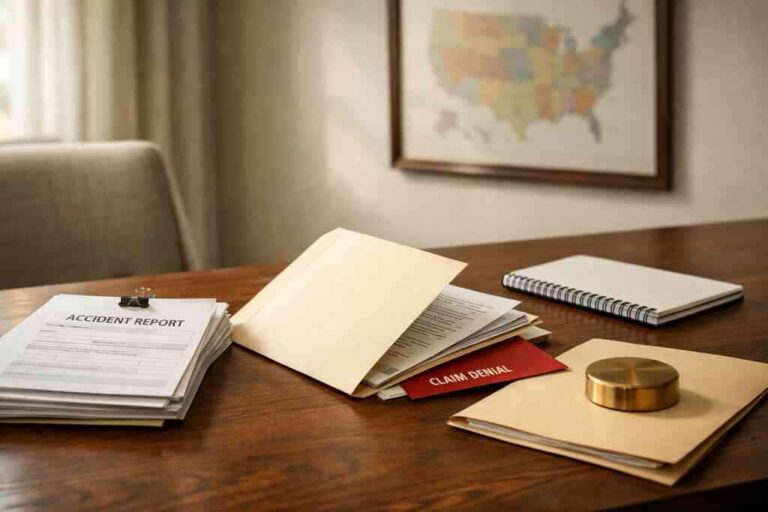
This is where an organized file matters. Medical bills after accident, lost wages claim documents, photos, incident reports, and witness statements can change the discussion quickly. If a case includes an uninsured motorist claim, a personal injury lien, or a disputed personal injury statute of limitations issue, the pressure to mediate can rise because each side wants clarity before more money goes into the case.
A typical mediation file often includes:
- Treatment records and billing summaries
- Wage loss proof from an employer
- Photos, video, or scene diagrams
- A demand letter and insurer responses
- Lien information from providers or insurers
- Any expert opinions that affect value
How mediation can reduce the cost pressure of trial without forcing either side to give up their position
Mediation lowers pressure because it lets both sides test settlement without paying for every final trial step. No one has to stand before a jury. No one has to commit to a final number in public. And no one loses the chance to say yes or no until the end. Trial pressureMediation pressureHigher legal costsLower cost than trialPublic testimonyPrivate discussionJudge or jury decidesParties decideMore time and preparationUsually faster to scheduleAll-or-nothing riskSpace for compromiseThis is why personal injury trial vs settlement is not a simple either-or choice. Trial can be necessary, especially in severe injury cases like traumatic brain injury claim disputes, spinal injury lawsuit claims, burn injury cases, or a fatal case handled by a wrongful death attorney by state. But mediation can preserve bargaining power while reducing the financial strain of waiting for trial.
What actually happens inside the personal injury mediation process
The personal injury mediation process is usually a structured negotiation with a neutral mediator who helps both sides talk past the roadblocks. It is not a hearing, and the mediator does not issue a ruling. Instead, the mediator helps the parties identify the real dispute, narrow the gap, and see where settlement may be possible. 
The opening conference where the mediator sets ground rules and separates emotion from bargaining
The session usually starts with an opening conference. The mediator explains the rules, confirms confidentiality, and outlines how the day will work. The tone is calm but serious. That matters, because injury victims often arrive angry, scared, or exhausted, and insurers often arrive guarded.
Here is the part most people miss: mediation is not just about money. It is also about whether the other side understands your injuries, your treatment, and the real-life disruption caused by the crash or fall. In a case involving a medical malpractice lawyer, a hospital negligence lawyer, or a surgical error attorney, the emotional component can be even stronger because the injury happened in a place where trust already mattered.
If you have pain, missed work, or a family member handling calls for you, say so early. The mediator can only work with what the room understands. If you have a free injury consultation with a personal injury law firm, this is often where a lawyer helps turn emotion into evidence.
How shuttle diplomacy works when a car accident lawyer or slip and fall attorney is trying to bridge the gap
Most mediations use shuttle diplomacy. That means the mediator meets with each side separately, carries offers back and forth, and helps move the numbers without forcing everyone into the same room. A car accident lawyer, slip and fall attorney, motorcycle accident lawyer, or truck accident attorney may use that private format to explain why a demand is supported by the records.
This back-and-forth can feel slow, but it is often effective. A first offer may be far below what the injured person expects. Then the mediator tests what matters most: future treatment, wage loss, fault disputes, or how a jury might view the evidence. In cases involving a drunk driving accident lawyer, a product liability lawyer, or a premises liability attorney, the facts can create very different settlement positions, so the mediator works through each issue one by one.
Common issueWhy it affects mediationFault disputeChanges how much liability risk each side seesOngoing treatmentMakes damages harder to value earlyWage lossAdds measurable economic harmPain and suffering damagesOften drives the biggest disagreementPunitive damages injury claimsCan change leverage if allowed by state lawIf you are looking for a car accident lawyer or truck accident lawyer, the value of mediation is often in this exact moment: the gap stops being emotional and starts becoming numerical.
Why confidentiality in a confidential settlement conference changes what each side is willing to say
Confidentiality changes behavior. Because statements made in mediation usually cannot be used later in court, people often speak more openly about risk, weaknesses, and bottom-line concerns. That is why a confidential settlement conference can uncover a number that never would have surfaced in regular correspondence.
The legal framework varies by state, so a licensed attorney in your state should explain how local confidentiality rules work. But the general idea is consistent: private settlement talk encourages honesty. That is particularly helpful in claims with a spinal cord injury attorney, a burn injury lawyer, a construction accident lawyer, or a nursing home abuse attorney, where future care needs and long-term damages may be hard to quantify on paper alone.
One family we spoke with had a wrongful death claim after a devastating highway crash. The carrier would not discuss its true reserve in writing, but in mediation the real dispute became clear: liability risk, future economic loss, and the emotional weight of the case. Once everyone understood the pressure points, the discussion became more productive. Not easy. Productive.
If you are trying to figure out when to hire a personal injury lawyer, mediation is often the point where experienced representation matters most. A lawyer can prepare the damages file, identify lien issues, and help you evaluate whether the proposal is fair for your situation. Personal Injury Law Locator can help you find injury attorney by zip code and connect you with a vetted local attorney for a free, no-obligation case review. If you want help now, search the directory and call 18444711072.
Frequently Asked Questions
Question: What is mediation in personal injury cases, and why do injury claims go to mediation before trial?
Answer: Mediation in personal injury cases is a structured settlement negotiation process where a neutral mediator helps both sides try to resolve the claim without going to trial. Injury claims often go to mediation because it can reduce the time, stress, and cost of litigation while giving both sides a private setting to discuss fault, medical bills after accident care, lost wages claim issues, pain and suffering damages, and other disputed points. It does not replace a judge or jury, and the mediator does not decide the case. Instead, mediation helps narrow the gap when settlement talks have stalled. If you are dealing with a car accident lawyer, slip and fall attorney, motorcycle accident lawyer, or another type of claim, Personal Injury Law Locator can help you find a personal injury attorney or injury lawyer near me and connect you with a licensed attorney in your state for a free injury consultation. Laws vary by state, so legal advice should always come from a local attorney.
Question: How does the personal injury mediation process help resolve disputes without trial?
Answer: The personal injury mediation process helps resolve disputes without trial by creating a controlled, confidential settlement conference where both sides can explain their positions, review evidence, and negotiate with the help of a neutral mediator. In many cases, the mediator uses private discussions and shuttle diplomacy to move between the parties and help bridge the difference between the insurance company’s offer and the injured person’s demand. This can be especially useful in claims involving an uninsured motorist claim, emotional distress claim, soft tissue injury settlement, or more serious matters such as a traumatic brain injury claim or spinal injury lawsuit. Mediation often works because it allows each side to focus on the real issues, such as liability, future treatment, personal injury lien concerns, or wage loss documentation, without the pressure of a courtroom. Personal Injury Law Locator can help you locate a personal injury law firm, top rated personal injury attorneys, or a board certified injury lawyer in your area, but you should always speak with a licensed attorney in your state before making settlement decisions.
Question: When is mediation used in a lawsuit, and how can a personal injury lawyer near me prepare for it?
Answer: Mediation is often used after initial insurance negotiation after accident efforts have stalled, after records and demand letters have been exchanged, or when a court encourages pretrial mediation in injury cases before trial. A personal injury lawyer near me can prepare for mediation by organizing medical records, billing summaries, wage proof, witness statements, photos, and any documents related to personal injury settlement amounts, liens, or disputed fault. That preparation matters because the strongest mediation presentations usually come from clear evidence, not emotion alone. Depending on the case, this may involve a truck accident attorney, pedestrian accident attorney, bicycle accident lawyer, dog bite injury lawyer, premises liability attorney, product liability lawyer, or workers compensation attorney. Personal Injury Law Locator is designed to help you find injury attorney by zip code or search by injury type so you can connect with a qualified attorney quickly. Because laws vary significantly by state, a licensed attorney should review your facts before you decide how to proceed.
Question: What are the benefits of mediation in personal injury law compared with personal injury trial vs settlement?
Answer: The main benefits of mediation in personal injury law are privacy, flexibility, lower cost than trial, and the chance to resolve a dispute without taking the uncertainty of a verdict. When people compare personal injury trial vs settlement, mediation often becomes the middle ground that lets both sides evaluate risk and negotiate a result that reflects the evidence. This can matter in cases involving medical malpractice lawyer claims, hospital negligence lawyer matters, surgical error attorney cases, birth injury lawyer claims, or wrongful death lawsuit disputes where damages can be significant and the facts may be heavily contested. Mediation also gives room to discuss punitive damages injury issues where allowed by state law, as well as non-economic losses like pain and suffering damages. Personal Injury Law Locator helps injured people find a personal injury attorney, compare injury lawyer reviews, and connect with trusted legal help, but it does not guarantee any outcome or settlement amount. For that reason, anyone considering mediation should consult a licensed attorney in their state for guidance specific to their claim.
Question: Why should someone use Personal Injury Law Locator before mediation if they need a free injury consultation or contingency fee lawyer?
Answer: Someone should use Personal Injury Law Locator before mediation because having the right lawyer in place can make a major difference in how a settlement discussion is prepared and presented. The directory helps people search for a personal injury lawyer near me, a contingency fee lawyer, or a no win no fee lawyer and connect with a local attorney for a free injury consultation. That can be especially important before mediation, when the case may involve medical bills after accident treatment, lost wages claim issues, personal injury lien complications, or questions about how to value the claim. Whether the matter involves a drunk driving accident lawyer, burn injury lawyer, construction accident attorney, wrongful death attorney by state, malpractice lawyer near me, or nursing home abuse attorney, the right lawyer can help explain the settlement negotiation process and whether mediation is a smart next step. Personal Injury Law Locator is a nationwide directory serving all 50 states, but legal rules vary by state, so any case strategy should be reviewed by a licensed attorney in your state.