 Posted On: 02/09/2026
When Pavement Turns Predator The Winter Slip Reality Check
The anatomy of a snow-related premises liability event
A winter sidewalk can transform into a hidden skating rink within minutes of a temperature drop. That thin glaze converts a stroll into a snow-related premises liability event the instant someone slips. The legal anatomy starts with duty: property owners must inspect, salt, and clear surfaces after storms. If they ignore weather alerts, they breach that duty, creating a foreseeable risk of physical injuries. When an injured party fractures a wrist or suffers a concussion, the cause of action crystallizes. A winter slip and fall lawyer immediately examines whether lighting, drainage, or uneven pavement amplified the danger.
Evidence collection begins while snow still crunches under boots. Photographs, weather data, and incident reports illustrate the complete anatomy of slip and fall accidents. These elements prove more than a tumble; they map negligence, causation, and measurable damages for a personal injury claim. Medical professionals link swelling, bruises, or traumatic brain injuries to the exact moment the boots lost traction. That causal chain forces insurance companies to reconsider quick denials and opens discussion about fair compensation. Understanding this sequence early fortifies an icy sidewalk injury claim against later comparative negligence arguments.
Why holiday shopping parking lot falls surge after the first ice storm
Bright decorations distract drivers and walkers, masking slick black ice between rows of crowded vehicles. Retailers often focus on indoor sales displays while outdoor salt schedules lag behind sudden freeze-thaw cycle hazards. That delay converts sprawling asphalt into an unpredictable skating rink, particularly near cart corrals and loading zones. Commuters rushing to holiday parties carry extra parcels, shifting balance and lengthening reaction time when boots skid. Add twilight glare and you have the perfect storm for holiday shopping parking lot falls and complex premises liability.
Data from insurers shows a seasonal spike in knee ligament tears, especially in northern regions. Victims filing slippery parking-lot claims in Wisconsin reveal patterns that echo nationwide shopping center neglect. Failing to cordon off freshly plowed snow piles directs meltwater across driving lanes, where it refreezes overnight. Emergency room bills after fall events often exceed merchandise totals, yet stores rarely warn patrons about microclimate risks. Parking lot surveillance footage can therefore become decisive evidence in any winter weather negligence case against large retailers.
How Personal Injury Law Locator connects an injured person to a personal injury lawyer near you in seconds
Time matters because witness memories melt faster than snow piles. The moment an injured party completes a quick survey, proprietary algorithms match zip codes, injury type, and attorney availability. Instead of scrolling endless ads, victims can connect with a winter slip lawyer fast. Our network includes specialists versed in black ice accident attorney tactics and municipal liability intricacies. Realtime introductions secure legal representation before insurance adjuster tactics for slip cases gain momentum.
Every affiliated law firm operates contingency fee models, eliminating upfront attorney fees during fragile recovery periods. A dedicated legal team then orders weather reports, interviews maintenance crews, and photographs lingering salt patterns. Those swift steps preserve comparative negligence arguments in the claimant’s favor. Clients track milestones through secure dashboards, ensuring the personal injury lawsuit progresses even while physical therapy continues. Fast access turns confusion into clarity, letting victims focus on healing while lawyers pursue full damages.
Building a Bulletproof Icy Sidewalk Injury Claim
Seeking immediate medical treatment and linking physical injuries to the fall
Prompt medical treatment is the cornerstone of any successful winter slip claims guide. Emergency physicians document bruising patterns, swelling, and concussion indicators before natural healing blurs proof of trauma. That contemporaneous record connects each physical injury-whether a sprained wrist or traumatic brain injury-to the exact icy sidewalk where the boots betrayed you. Personal injury lawyers later rely on those charts to defeat insurance adjuster tactics for slip cases that blame pre-existing conditions. When follow-up appointments and specialist referrals align chronologically, causation becomes undeniable, strengthening the overall personal injury claim.
Early diagnostics also help forecast future medical treatment costs, which influence settlement value. An orthopedic surgeon’s imaging report can predict whether arthroscopic surgery or long-term physical therapy will be needed. Such projections stop insurance companies from offering a quick payout that ignores later expenses for mobility aids or pain injections. Without timely scans, a claimant may struggle to prove that cartilage damage stemmed from the fall rather than a recreational injury. Therefore, prompt examinations preserve both health and monetary recovery, safeguarding compensation for every foreseeable bill.
Documenting the winter accident scene with photo evidence weather reports and witness statements
Snow melts, plows scrape, and salt washes away, so visual proof must be captured before conditions change. Use your phone’s timestamp feature to photograph the exact ice patch, surrounding lighting, and any warning sign-or lack thereof. Zoom in on footprints or tire ruts that reveal how many others encountered the same hazard. A winter slip and fall lawyer later cross-references those images with meteorological records to reveal freeze-thaw cycle hazards that management should have anticipated. Consistent documentation blunts comparative negligence arguments and clarifies that the property owner controlled the risk.
Collect witness statements while memories remain fresh. Obtain contact details from fellow shoppers, mail carriers, or nearby workers who saw the tumble or noticed uncleared snow. Their testimony corroborates that your fall resulted from snow-related premises liability rather than personal clumsiness. For added authority, gather National Weather Service data and maintenance logs, then store everything in cloud backups. More tips appear in our dedicated guide on collecting cold-weather accident evidence so nothing vital slips through the cracks.
Preserving footwear clothing and broken phones as property damage exhibits
Shoes become silent experts in any icy sidewalk injury claim. Keep the exact boots, lace tension unchanged and salt stains intact, because tread depth often refutes defense claims that your footwear was unsafe. Similarly, torn coats, ripped gloves, or blood-spotted scarves visually demonstrate the violence of the impact. Even shattered phone screens convey kinetic force, reinforcing that personal injuries cannot be minor.
Store these items in sealed bags with labels noting date and location of preservation. Avoid washing garments or repairing electronics until your legal team inspects them. Such tangible evidence resonates with juries who may struggle to visualize pain and suffering multipliers. It also strengthens property damage components of a personal injury lawsuit, ensuring reimbursement for replacement costs. Preservation efforts underscore diligence, bolstering the credibility of the injured party throughout the legal process.
Emergency room bills lost wages and other hidden costs that strengthen a personal injury claim
Many claimants misjudge the economic ripple effect of a slip on black ice. Beyond emergency room bills after fall incidents, hospital parking fees, prescription co-pays, and medical device rentals accumulate quickly. A meticulous ledger of every out-of-pocket expense proves indispensable when calculating full damages. Keeping pay stubs and timesheets shows lost wages and diminished earning capacity, especially if holiday overtime vanishes because of injury.
Hidden losses multiply for self-employed workers who miss client deadlines or gig drivers sidelined by back pain. Document childcare costs, physical therapy mileage, and canceled travel tickets to reflect true financial strain. A seasoned personal injury attorney converts each receipt into negotiation leverage. Comprehensive accounting also positions pain and suffering arguments within a realistic economic framework, compelling insurers to raise settlement offers in winter weather negligence cases.
Reporting the incident to the property owner employer or municipal hotline before insurance companies call back
Swift reporting neutralizes defense claims that the fall never occurred or occurred elsewhere. Notify store managers, apartment supervisors, or city maintenance hotlines, and request written confirmation of your report. Doing so triggers internal incident logs that later become discoverable in civil cases. Timely notice also satisfies certain statute-dependent prerequisites, particularly when municipal liability for uncleared snow is involved. Delay, by contrast, invites skepticism and reduces leverage during negotiations.
After filing the official report, preserve your rights by seeking counsel. Modern tools let you locate nearby injury attorneys on your phone before an insurance adjuster calls. Early representation prevents casual statements from becoming exploitable admissions and shields you from lowball settlement pressure. Your legal team helps gather supplemental evidence, file notice letters within special deadlines, and monitor comparative negligence pitfalls. Acting decisively keeps the narrative in your hands, transforming a disorienting accident into a well-documented cause of action that demands full restitution.
 Inside the Legal Maze: Comparative Negligence and Municipal Exposure
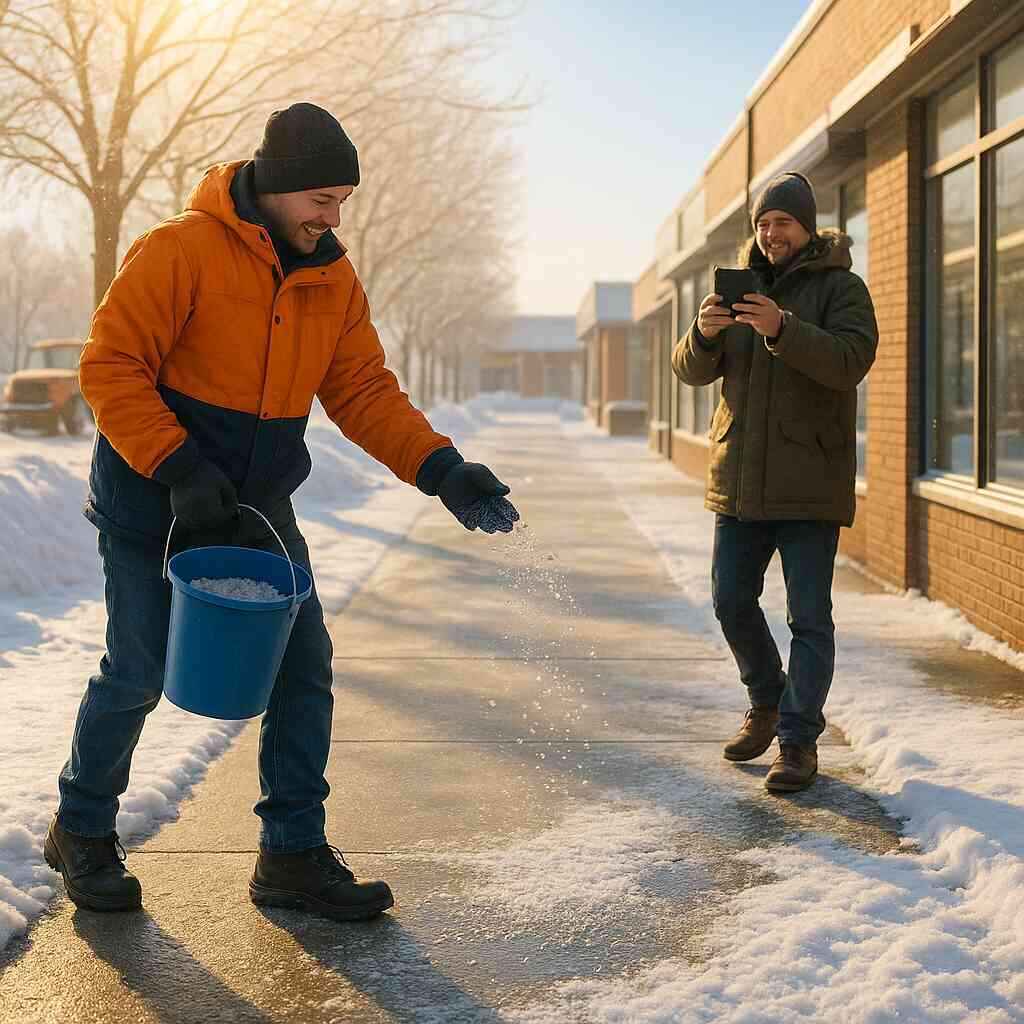 Inside the Legal Maze: Comparative Negligence and Municipal Exposure
Freeze-thaw cycle hazards and the evolving duty of care for residential and commercial owners
Freeze-thaw cycles turn yesterday’s slush into today’s invisible ice, multiplying risk across sidewalks and storefront steps. Property owners cannot plead ignorance because weather reports broadcast impending drops. Therefore, residential snow removal duty now requires periodic inspections, not just post-storm shoveling. Courts compare each defendant’s actions against what a reasonable neighbor would do. That evolving standard defines whether a winter slip and fall lawyer can frame the incident as negligence.
Commercial landlords face even higher expectations because they invite paying customers onto the premises for profit. They must sand entrances, monitor drainage, and post warning cones during active melt. Failing these steps breaches the legal concept of negligence explained by most state statutes. Comparative negligence still matters, yet timely salting often shifts blame away from an injured party. Documented maintenance logs thus become lifesavers when insurers dispute liability.
Municipal liability for uncleared snow salt and sand maintenance negligence
Cities promise safe passage on public walkways, yet budget shortfalls often leave plows idle during crucial dawn hours. When municipal crews ignore posted plow routes, black ice forms along curb cuts and bus stops. Pedestrians assume safety and step forward, unaware of the hidden glaze. Those slips trigger ice storm personal injury lawsuits that name both the city and any contracted maintenance company. Sovereign immunity rarely provides absolute protection once gross negligence appears evident.
Remote regions amplify this challenge because extreme cold can thwart de-icing chemicals before crews return. Residents seeking recompense increasingly turn to snow injury legal help in Alaska for strategic guidance. Experienced counsel knows which municipal notice deadlines apply and how to photograph unplowed shoulders before plows finally arrive. They also secure traffic-camera footage, revealing how long hazardous accumulations persisted. Such evidence defeats predictable defenses that blame unpredictable weather.
Insurance adjuster tactics for slip cases and how a seasoned personal injury attorney counters them
Insurance companies move fast, often calling while bruises are still tender. Their adjusters sound sympathetic yet ask loaded questions designed to elicit admissions. They may request recorded statements that highlight your footwear choice or phone use during the fall. Some offer small gift-card settlements before medical bills arrive. These techniques reduce payout exposure by manufacturing comparative negligence.
A seasoned personal injury attorney recognizes each tactic and erects immediate barriers. First, counsel demands written communication to eliminate conversational traps. Next, they deliver organized evidence packets, preventing the insurer from claiming insufficient documentation. Personal Injury Law Locator connects injured people to such advocates, ensuring negotiations start from a position of strength. The legal team’s measured tone and citation of case law often doubles initial offers without filing a civil lawsuit.
Black ice accident attorney insights on statute of limitations and special notice deadlines
Even the strongest icy sidewalk injury claim collapses once the clock expires. Every state imposes a statute of limitations, often measured in years but never forgiving. Black ice accident attorneys track these windows with calendar software and written ticklers. They also monitor discovery cutoffs that could bar late medical reports. Missing one deadline transforms a promising case into an unrecoverable loss.
Government-related claims add another layer because special notice letters must reach the clerk within weeks, not months. Attorneys therefore dispatch certified mail alongside digital submissions to prove compliance. Experienced firms cite case precedent showing dismissal when timing faltered. That urgency explains why the ultimate guide to winter slip and fall cases emphasizes immediate consultation. Swift action preserves evidence, protects rights, and positions plaintiffs for maximum compensation.
Calculating Full Damages From Sprained Wrists to Traumatic Brain Injuries
Lost wages diminished earning capacity and holiday overtime gaps
Missing even one paycheck during peak retail season strains household budgets instantly. Employers often cancel holiday overtime once an injured party presents a doctor’s note. Those lost wages stack quickly, yet many claimants forget fringe benefits like shift differentials or attendance bonuses. A seasoned winter slip and fall lawyer collects timesheets, gig-platform screenshots, and canceled contracts to document every vanished dollar. Combined with economist testimony, that package illustrates diminished earning capacity far beyond short-term absences.
Sometimes injuries derail career trajectories, reducing promotion prospects or forcing early retirement. Lawyers compare pre-injury performance reviews with post-accident restrictions to measure future income loss. Additionally, freelance professionals may experience client churn when deadlines slip due to physical therapy. Quantifying that invisible erosion requires business records and sworn statements from longtime clients. By assembling both past and projected numbers, the legal team builds a robust wage-related damages model.
Pain and suffering multipliers for winter weather negligence cases
Economic figures only tell part of the story because chronic pain disrupts sleep, hobbies, and family routines. Courts therefore apply multipliers or per-diem rates to translate physical injuries into monetary value. Jurors often appreciate illustrative diaries describing sleepless nights or missed school recitals caused by knee pain. Counsel ensures those narratives remain consistent with medical professionals’ notes to avoid credibility attacks. Moreover, social media posts can unintentionally undermine claims if they suggest carefree activity.
Insurance adjusters frequently offer low multipliers for slip cases, citing brief treatment windows. However, nerve damage from black ice trauma may flare intermittently for life. Attorneys introduce comparative case verdicts showing higher awards for similar symptoms. Detailing prescription histories and counseling sessions further supports elevated figures. Ultimately, well-organized pain and suffering data strengthen negotiations long before trial.
Future medical treatment projections for chronic back and knee injuries
Healing rarely ends when the cast comes off; many victims need ongoing injections, hardware removal, or revision surgery. Orthopedic specialists prepare affidavits estimating probable procedures and associated costs. They also forecast physical therapy schedules, assistive devices, and home modifications like ramp installations. Insurers must then recognize these future medical treatment expenses as legitimate present-day damages.
Actuarial tables convert projected therapies into current dollars using accepted discount rates. A black ice accident attorney reviews each calculation to confirm no service is undervalued. Additionally, life-care planners integrate inflation adjustments for medical technology advances. Presenting such detailed forecasts leaves little room for defense lawyers to argue speculation. Plaintiffs thereby secure funds that truly cover lifelong care.
Including shattered electronics and torn clothing in property damage valuations
Phones often absorb the initial impact when a person flails across an icy sidewalk. Cracked screens, bent frames, and water intrusion bills quickly surpass everyday deductibles. Likewise, designer coats torn by abrasive asphalt can cost hundreds to replace. Documenting serial numbers, purchase receipts, and repair estimates transforms these losses into recoverable property damage.
Visual exhibits stir empathy because jurors relate to modern devices’ importance. Therefore, attorneys present broken items during depositions to underscore collision force. Courts permit fair-market valuations, sometimes enhanced for specialty gear like professional cameras. Including these items also strengthens causation by showing immediate physical consequences. Consequently, total compensation rises beyond purely medical considerations.
Contingency fee representation explained by the Personal Injury Law Locator legal team
Calculating damages means little if attorney fees consume the award. Personal Injury Law Locator partners exclusively with firms using transparent contingency arrangements. Clients pay nothing up front, and fees are derived from a pre-agreed percentage of the settlement. That structure aligns interests, motivating lawyers to pursue maximum recovery while shielding families from financial risk.
Furthermore, the network absorbs litigation costs until resolution, covering expert witnesses, deposition transcripts, and filing fees. Detailed closing statements then itemize expenditures, ensuring full transparency. For additional assurance, our advisors outline industry benchmarks before any retainer is signed. Understanding these terms empowers injured parties to focus on rehabilitation, knowing representation costs stay proportionate. Courts recognize contingency agreements as essential access tools, especially when complex valuations arise.
Courts also evaluate evidence through established doctrines that explain how courts calculate damages. Our attorneys reference these standards daily, converting raw receipts into persuasive legal arguments. With expert guidance and risk-free fee structures, victims move from uncertainty to financial stability.
From Recovery to Resilience: Empowering Your Next Step
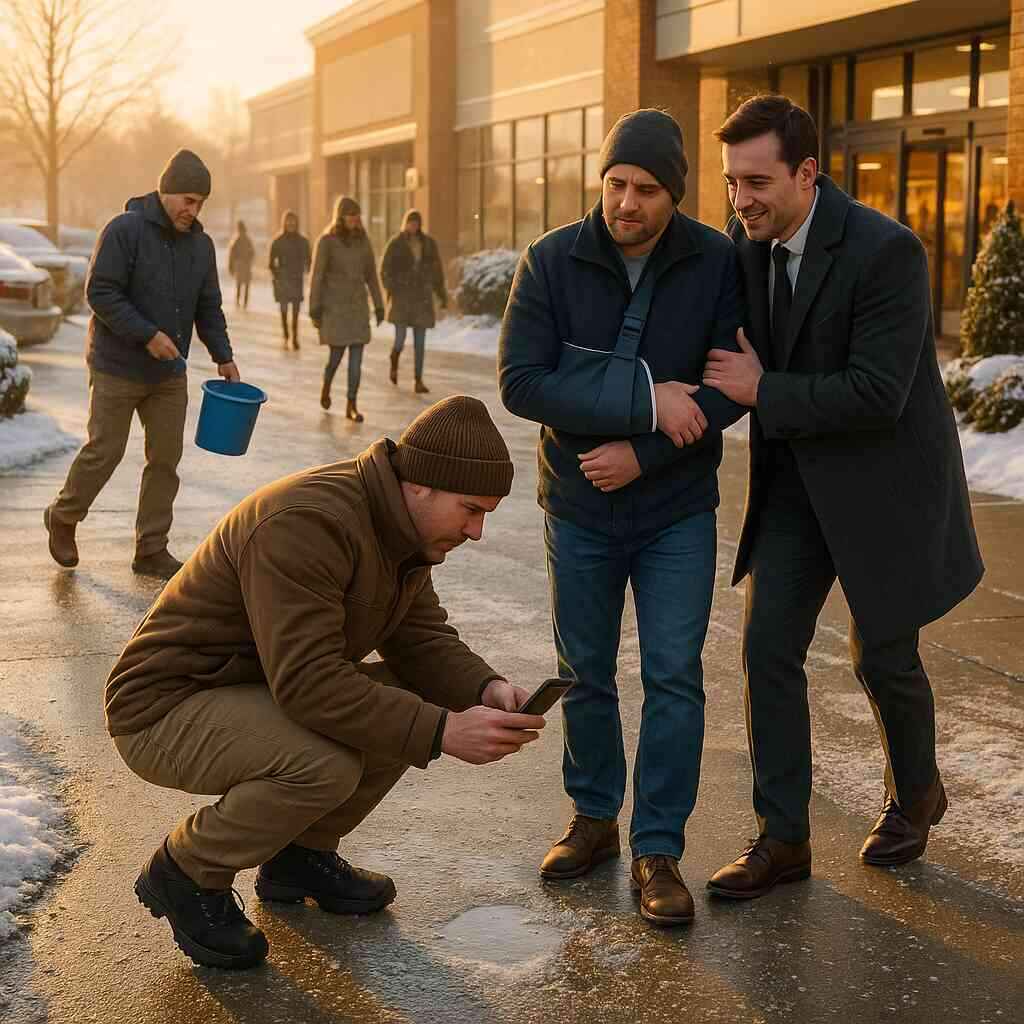 From Recovery to Resilience: Empowering Your Next Step
Traction footwear safety tips that safeguard your comparative negligence position
Wearing the right boots reduces slip risk and protects your legal standing if an accident occurs. Courts scrutinize whether an injured party acted reasonably when walking across black ice. Deep-lug soles, micro-spikes, or removable cleats show proactive effort that counters comparative negligence allegations. Always inspect tread depth before leaving home, and replace worn footwear when grip patterns fade. Keep purchase receipts because they prove you invested in safety long before filing any personal injury claim.
Proper maintenance matters as much as initial choice. Remove packed snow from soles after each outing, preventing an unexpected ski effect on polished floors. Store boots in warm areas so embedded ice melts instead of refreezing outdoors. Photograph your footwear immediately after any fall to document salt stains and intact traction devices. Those images reinforce that a winter slip and fall lawyer can argue you exercised diligent care.
Community advocacy for better snowplow routes and salt budgets
Individual precautions help, yet community infrastructure ultimately determines sidewalk safety during severe freeze-thaw cycle hazards. Join neighborhood associations or tenant boards that lobby municipal leaders for improved plowing schedules. Present accident statistics and medical bills to illustrate the economic burden of uncleared snow. Request transparent salt-application logs so residents can verify that maintenance crews follow agreed protocols. Collective pressure often secures larger budgets and faster response times.
Advocacy also strengthens future ice storm personal injury lawsuits. Demonstrating prior complaints shows the city knew, or should have known, about dangerous conditions. Maintain copies of petitions, emails, and town-hall minutes; they may become valuable evidence later. Encourage local businesses to install heated entrance mats and post conspicuous warning signs. Collaborative solutions reduce injuries while supporting stronger claims when negligence persists.
Retaining a personal injury lawyer through Personal Injury Law Locator before insurance claims close
Insurance companies move swiftly, sometimes closing files within weeks. Retaining counsel early through Personal Injury Law Locator keeps negotiation windows open. A personal injury lawyer near you will immediately issue preservation letters, blocking premature document shredding. They also calculate looming statute deadlines, ensuring no procedural missteps derail your civil lawsuit. Fast representation discourages adjusters from deploying low-ball settlement tactics.
Choosing network attorneys guarantees contingency fee transparency, removing upfront financial barriers. Your legal team coordinates medical professionals, vocational experts, and property damage appraisers under one strategy. Real-time dashboards update you on every filing, turning a confusing legal process into an organized roadmap. If litigation becomes necessary, seasoned trial lawyers prepare compelling narratives backed by forensic meteorologists. Early engagement converts reactive scrambling into proactive case building.
Transforming settlement funds into long-term physical and emotional well-being
A robust settlement represents opportunity, not mere reimbursement. Allocate a portion toward continued medical treatment, including physiotherapy or pain management programs. Investing in adaptive fitness classes can restore mobility and confidence after traumatic brain injury or sprained wrist recovery. Financial planners familiar with personal injury awards help structure payouts to cover future medical bills without jeopardizing public benefits. Consider annuities that provide stable income while protecting against market volatility.
Emotional distress often lingers after physical injuries fade. Therapy, mindfulness retreats, or support groups assist in processing anxiety triggered by icy sidewalks. Use part of the award to retrofit your home with accessibility upgrades, reducing re-injury risk. Finally, reinvest in community safety by sharing practical winter premises safety steps with neighbors, turning personal resilience into collective protection.
Frequently Asked Questions
Question: How quickly can Personal Injury Law Locator connect me with a winter slip and fall lawyer after an icy sidewalk injury?
Answer: Almost instantly. The moment you complete our short online form, our proprietary matching system scans attorney availability in all 50 states and introduces you to a qualified winter slip and fall lawyer in your zip code-often in less than 60 seconds. This rapid response is vital because evidence at an icy sidewalk injury claim scene can disappear within hours. By securing legal representation immediately, you protect crucial photo evidence of ice patches, obtain timely weather reports as legal evidence, and prevent insurance companies from deploying early insurance adjuster tactics for slip cases that could weaken your personal injury claim.
Question: What evidence should I gather right after a holiday shopping parking lot fall to strengthen my snow-related premises liability claim?
Answer: Begin with timestamped photos that capture the slick surface, poor lighting, and any absent warning cones. Next, collect witness statements from shoppers or employees who saw you slip. Save your torn clothing, damaged phone, and receipt from the store to show you were legally on the premises. Finally, request surveillance footage as soon as possible, and keep copies of medical bills, including emergency room bills after fall treatment. Hand this package to your personal injury lawyer near you so they can build an airtight winter weather negligence case and counter any comparative negligence arguments.
Question: Does the Winter Slip Claims Guide with Personal Injury Law Locator explain how contingency fee representation works in a black ice accident lawsuit?
Answer: Yes. The guide breaks down contingency fee representation in clear, practical language. You pay zero upfront attorney fees; instead, your black ice accident attorney receives a pre-agreed percentage of the settlement or verdict. Personal Injury Law Locator partners exclusively with firms that advance litigation costs-covering expert witnesses, weather reports, and deposition transcripts-so injured parties can focus on medical treatment, not invoices. Transparent fee structures build trust and encourage lawyers to maximize compensation for medical bills, lost wages, and pain and suffering multipliers.
Question: How does Personal Injury Law Locator help me deal with insurance adjuster tactics for slip cases involving municipal liability for uncleared snow?
Answer: Our connected attorneys immediately send preservation letters to the city or maintenance contractors, locking in salt and sand maintenance logs before they vanish. They insist on written correspondence only, shutting down verbal traps adjusters use to shift blame. If municipal notice deadlines apply, your legal team files the required paperwork within days, safeguarding your ice storm personal injury lawsuit from procedural dismissal. Throughout the process, you receive real-time updates via our secure dashboard, giving you the confidence to ignore low-ball offers and focus on recovery.
Question: What types of damages can I recover through a personal injury lawsuit if I suffer a traumatic brain injury from an ice fall?
Answer: Victims of traumatic brain injury can pursue economic and non-economic damages. Economic damages include current and future medical treatment costs, rehabilitation, prescription medication, lost wages, diminished earning capacity, and property damage such as shattered electronics. Non-economic damages cover pain and suffering, emotional distress, and loss of enjoyment of life. In severe cases, life-care planners project decades of specialized therapy and home modifications. Personal Injury Law Locator’s network ensures your personal injury attorney documents each category comprehensively so the insurance company cannot discount the true impact of your physical injuries.